Skip to content


To most families, the daily decline in their parents’ personal care isn’t noticeable at first. Parents may start skipping baths; suddenly the same shirt is worn three days in a row, and a parent’s pride in their appearance slowly fades away.
In Pittsburgh, most families can find a logical reason for these minor changes. “Mom is just tired.” “Dad has never liked to ask for help.” However, when there is a noticeable change in bathing, dressing, and grooming, and in the mobility of a senior citizen, it is an indication that the senior needs personal care at home, and recognizing it early could prevent an infection, a fall, or a trip to the hospital.
At Confiable Home HealthCare, our personal care services in Pittsburgh support seniors with exactly these daily tasks. Here are the key signs to watch for, and what to do when you see them.
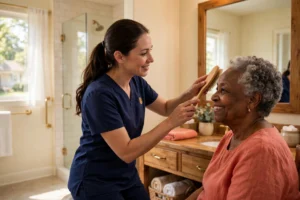
Personal Care Warning Signs at a Glance
What Is Personal Care at Home?
Personal care is hands-on help with the activities of daily living, including:
- Bathing and showering
- Dressing and grooming
- Toileting and hygiene
- Mobility support — moving safely around the home, getting in and out of bed or a chair
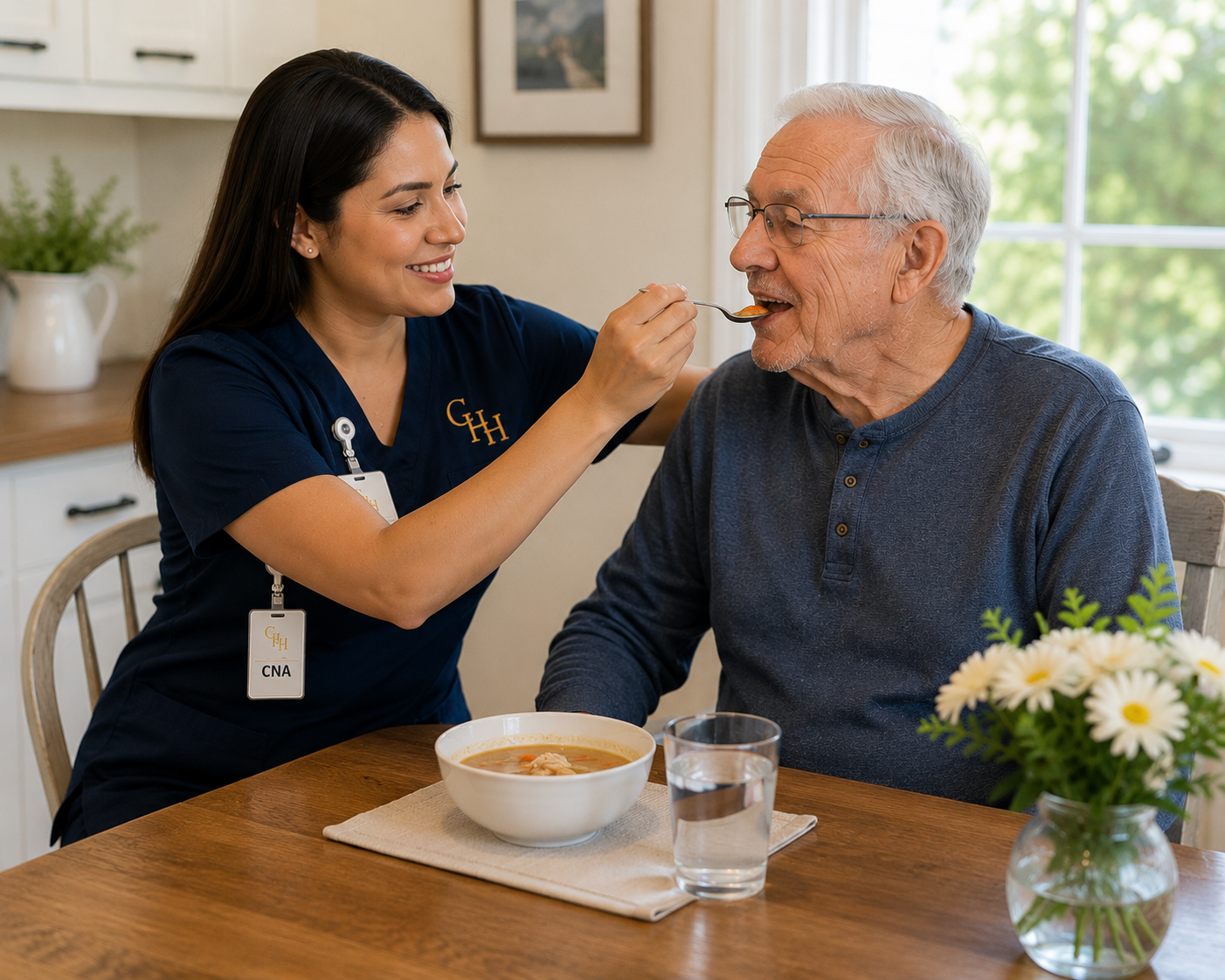
- Eating support and simple meal preparation
It is different from medical care. Personal care is about safety, hygiene, and dignity in everyday life, provided by a trained caregiver in your loved one’s own Pittsburgh home.
Sign 1: Bathing Is Being Avoided
Many seniors start avoiding the shower and tub. Look for body odor, and/or greasy hair. Listen for excuses like “I already took a bath today.” One of the first signs of a parent starting to avoid bathing is the discovery of several towels, un-used, by the sink. Often, this is because of fear of falling while getting in and out of the tub. Poor hygiene and resulting skin infections and urinary tract infections are some of the most common causes of hospitalization for the elderly.
Sign 2: Grooming and Appearance Are Slipping
A parent who always looked put together now wears wrinkled or stained clothes, skips shaving, or lets their hair go unwashed and uncombed. This is rarely laziness. It usually means the tasks themselves have become hard, painful, or exhausting — or that low mood and early memory changes are getting in the way.
Sign 3: Dressing Has Become a Struggle
Buttons, zippers, socks, and shoes are small tasks that demand grip strength, balance, and flexibility. Signs include wearing the same outfit for days because changing is too difficult, choosing clothes that are wrong for Pittsburgh weather, or a parent who stays in pajamas all day. If dressing takes enormous effort every morning, the whole day starts depleted.
Sign 4: Mobility and Toileting Problems
Personal care and mobility are closely linked. Recognize these signs:
- Holding onto furniture to move around the room
- Trouble getting up from a chair, bed, or toilet
- Unexplained bruises from bumps and near-falls
- Accidents or near-accidents reaching the bathroom in time
- Avoiding stairs they used to manage
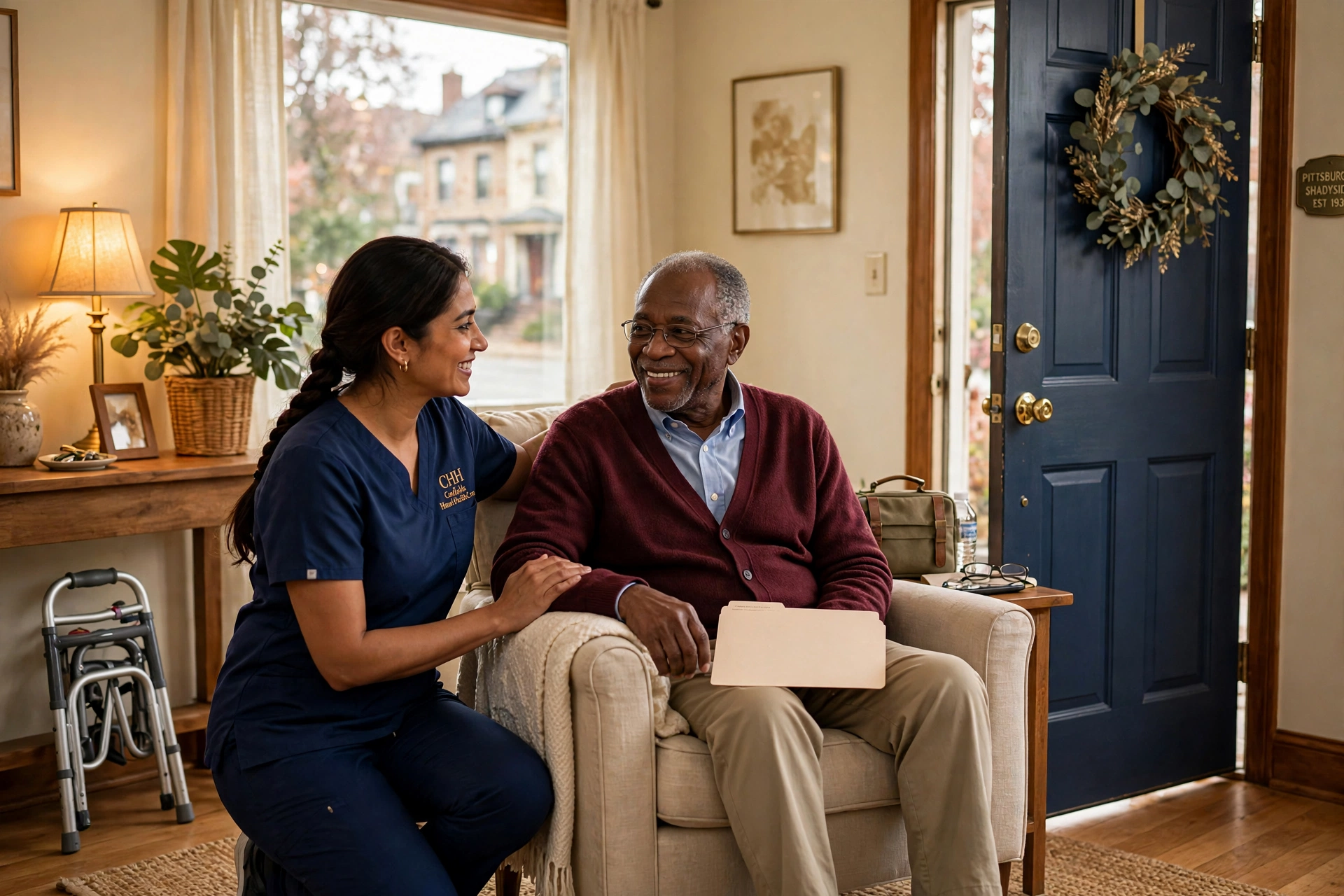
A caregiver providing personal care at home in Pittsburgh supports safe transfers and toileting routines, and a home set up with fall prevention and home safety in mind reduces the risk further.
Sign 5: Hygiene Problems Are Affecting Health
When personal care slips, health follows. Recurring urinary tract infections, skin irritation or rashes, dental problems from skipped brushing, and slow-healing minor cuts are all signals that daily hygiene is no longer being managed alone. If your parent’s doctor keeps treating the same infections, ask whether the root cause is at the bathroom sink, not the pharmacy.

Sign 6: Meals and Medications Are Being Missed
Personal care usually mixes with the routines that surround it. An empty or spoiled refrigerator, noticeable weight loss, and pill bottles that are fuller than they should be could suggest your parent is having issues with the physical routines of the day. This could include standing to cook, opening containers, and keeping track of their doses. Many families choose to have their personal care assistant do medication management as well to cover the entire morning routine.
Sign 7: Your Parent Is Withdrawing or Making Excuses
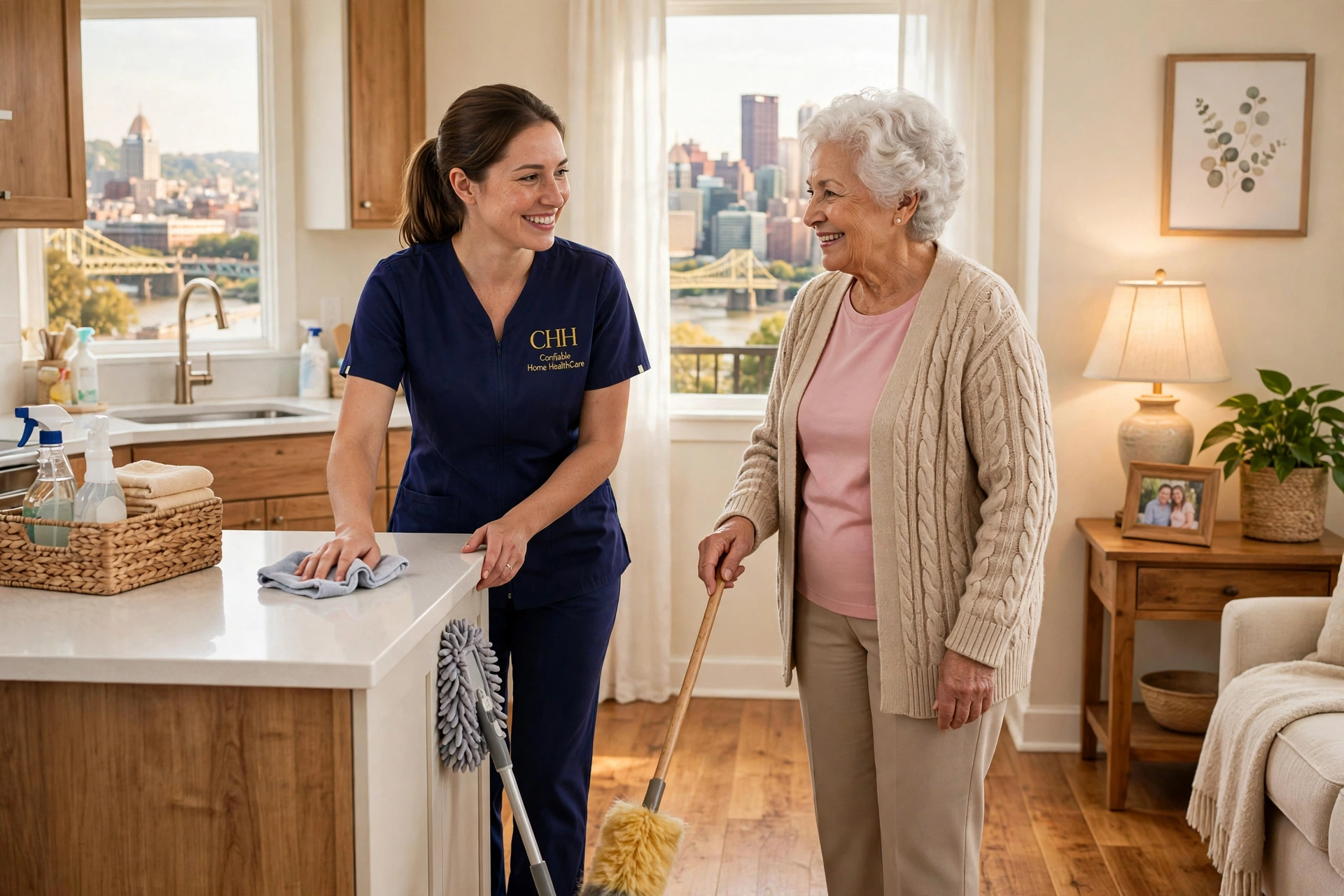
Seniors who cannot manage their appearance often stop showing it. A parent who declines family dinners, avoids video calls, or says “don’t come over, the house is a mess” may be embarrassed about hygiene they can no longer control. Withdrawal is a personal care sign too, and it deepens isolation quickly. Gentle companionship alongside personal care helps; many families pair the two through companion care services in Pittsburgh.
Sign 8: You Are Quietly Becoming the Caregiver
The last sign is about you. If you are driving back and forth across Pittsburgh several times a week to do showers and laundry and help with dressing, or if you are lying awake worrying about the late night bathroom trip your parent makes alone, then the help is already needed. It’s always good to have family assistance, but there are some things that some seniors feel more comfortable having done by someone else, like bathing. Also family caregivers get burnt out. Respite care in Pittsburgh is for this exact reason.
If several of these signs sound familiar alongside broader changes, our wider guide to the 10 signs your aging parent needs home care support and our page on signs an aging parent needs help can help you see the full picture.
How to Start the Conversation
Most seniors resist personal care at first, because accepting help with bathing or dressing feels like giving up independence. A few approaches that work for Pittsburgh families:
- Start small — suggest help with one task, like showers twice a week, not a full care plan
- Frame it around safety and comfort, not ability — “I would sleep better knowing someone is there when you shower”
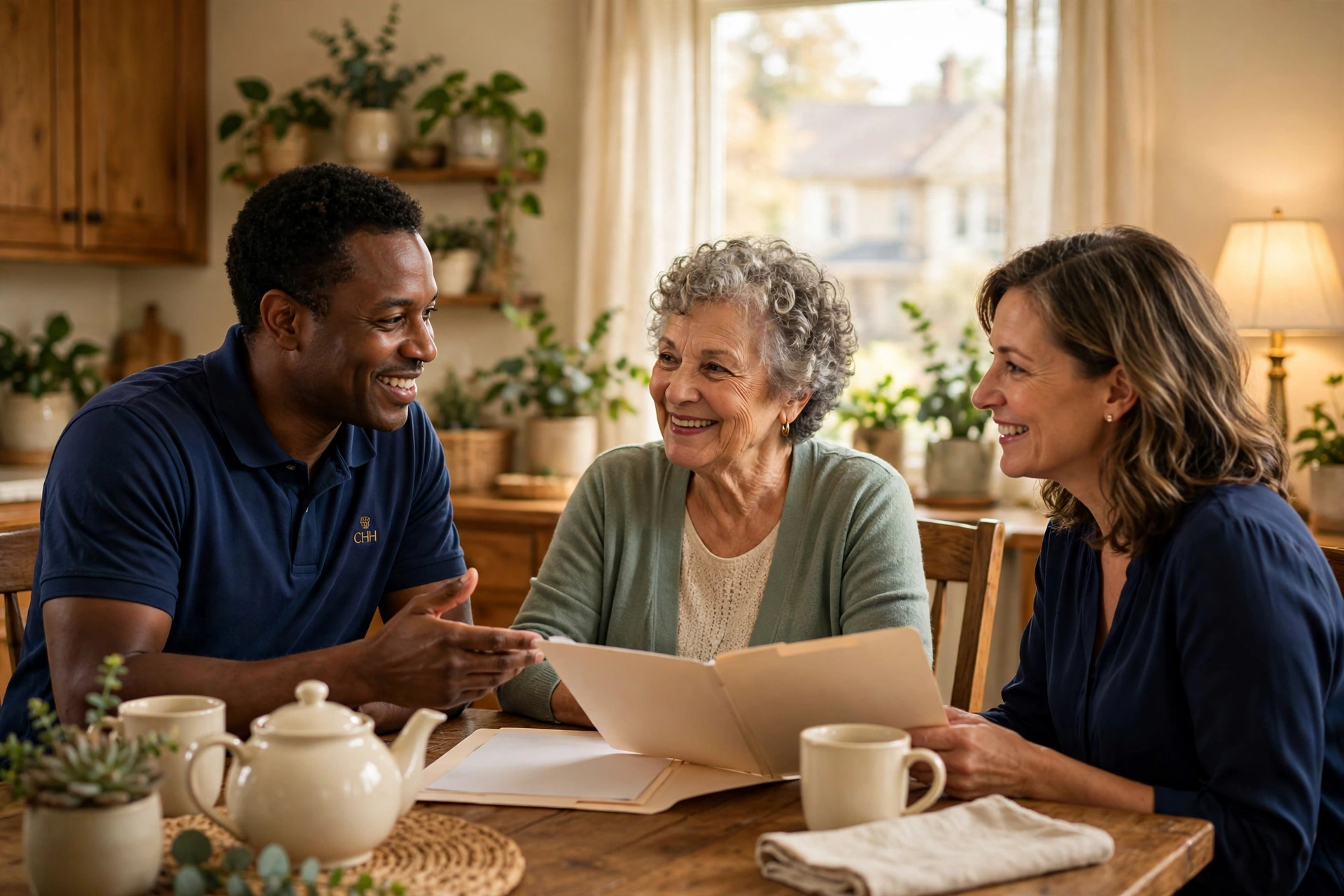
- Let them meet the caregiver before deciding
- Use a trial period — a few weeks of visits, then review together
Our guide on how to talk to an aging parent about a care plan walks through this conversation in more depth.
How Much Personal Care Does a Senior Need?
It depends on the signs. Some Pittsburgh seniors do well with a caregiver a few mornings a week for bathing, dressing, and breakfast. Others, especially after a hospital stay or with advancing mobility problems, need daily visits or more. After a discharge, families often start with post-hospital care in Pittsburgh and settle into a personal care routine as recovery progresses. And when a senior should not be alone at all, 24-hour home care in Pittsburgh provides continuous support.
The right starting point is an honest assessment of what your parent can no longer do safely alone — not the maximum care available, and not the minimum you can get away with.
Personal Care for Seniors With Dementia in Pittsburgh
Personal care needs extra sensitivity when dementia is involved. A parent with dementia may resist bathing because the water feels frightening, forget why a stranger is helping them dress, or become agitated during intimate tasks. Resistance is rarely stubbornness; it is confusion and fear.
Caregivers trained in dementia support keep the same routine, the same order of tasks, and a calm, unhurried pace, and they explain each step before it happens. Families dealing with this should also read our dementia and Alzheimer’s care overview and our guide on how to communicate with a loved one who has dementia, because how care is offered matters as much as the care itself.
Frequently Asked Questions
What is the difference between personal care and companion care?
Personal care is hands-on help with bathing, dressing, grooming, toileting, and mobility. Companion care is supervision, conversation, and help around the home without the hands-on personal tasks. Many Pittsburgh seniors receive both from the same caregiver in the same visit.
Does Medicare pay for personal care at home in Pittsburgh?
Medicare does not pay for personal care on its own. It covers a part-time home health aide only while your loved one is also receiving skilled nursing or therapy under a doctor’s plan. Ongoing personal care is usually arranged privately, which is why most families use private-pay home care in Pittsburgh.
How do I know if it is time, or if I am overreacting?
If you have noticed two or more of the signs in this post, especially bathing avoidance, mobility problems, or recurring infections, it is time. Families almost never regret arranging personal care too early. They regret the fall that forced the decision.
Will my parent lose independence if a caregiver helps with bathing?
The opposite is usually true. A senior who is clean, dressed, and moving safely stays active and social longer. Personal care protects independence by removing the tasks that were quietly shrinking your parent’s world.
Can personal care help after surgery or a hospital stay?
Yes, and it is one of the most common reasons families start it. After surgery, bathing, dressing, and moving around the home are often restricted or unsafe for weeks. Personal care covers those weeks and can step down as your parent recovers, which is why it pairs naturally with post-hospital care in Pittsburgh.
Conclusion
Seniors need personal care at home when the basic tasks of the day — bathing, dressing, grooming, moving safely — start slipping, and the signs are visible long before a crisis if families know what to look for. In Pittsburgh, help can start small, with a few visits a week, and grow only as needed. The goal is not to take tasks away from your parent. It is to keep them safe, comfortable, and dignified in the home they love.
If you are recognizing these signs in your parent, contact Confiable Home HealthCare today. Call us at (412) 530-3192 to talk through what you are seeing, and we will help you decide on the right level of personal care, honestly and without pressure.