
The aging process brings changes in various aspects of life, including the type of food a person prefers. Some of the challenges associated with age may include poor dentition and changes in the appetite of older adults. This may make it difficult for some people to chew certain foods. Other adults may have limited time to prepare meals due to changes in their daily activities. For such adults, it may be more comfortable and convenient to eat certain foods that do not require a lot of chewing.
Foods that are eaten on a soft diet may include yogurt, cooked cereals, soups, cooked vegetables and fish, and other foods that may be suitable for individual tastes.
There are other needs of the older adult that require the caregiver to go beyond the selection of soft foods. This may include assisting the older adult to perform activities of daily living and implementing strategies to enhance the older adult’s quality of life.
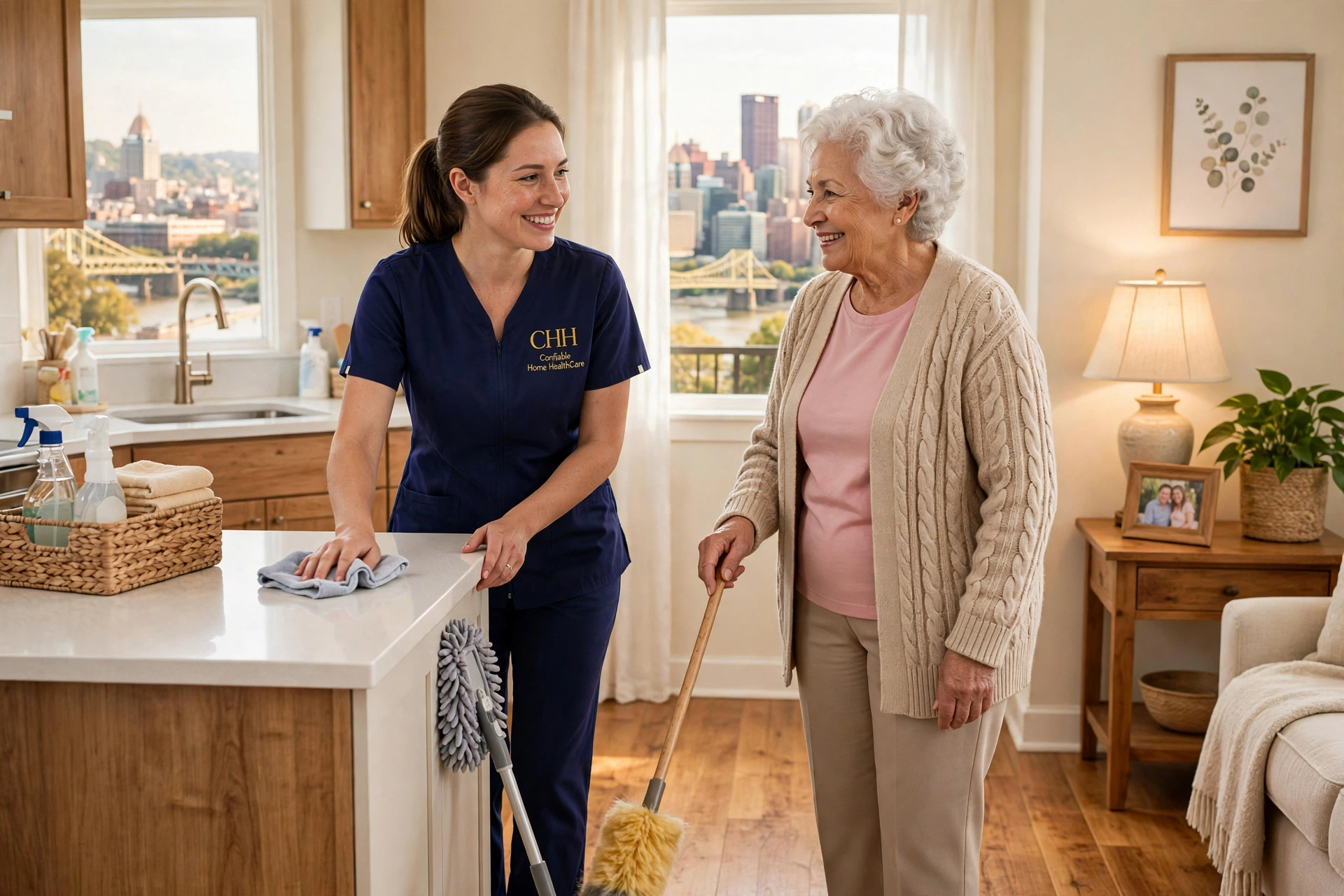
Confiable Home Healthcare provides compassionate home care support for seniors and families who need assistance with daily routines, companionship, and personalized care at home.
What Are Soft Foods?
Soft foods are foods that have a tender texture and usually require less chewing compared with hard, crunchy, or dry foods. They can often be prepared by cooking, mashing, blending, or adding moisture.
Soft foods are commonly chosen by people who prefer easier-to-eat meals or need meals that match their personal dietary requirements.
Examples of soft foods include:
- Oatmeal
- Mashed potatoes
- Scrambled eggs
- Yogurt
- Soft fruits
- Cooked vegetables
- Tender fish
- Smooth soups
- Soft pasta
The texture of food matters because meals that are too hard, dry, or crunchy may be uncomfortable for some individuals.

What Is a Soft Food Diet?
A soft food diet includes foods that are easier to chew and manage compared with regular-textured meals. Healthcare providers may recommend texture modifications for certain individuals depending on their specific needs.
A soft diet does not mean meals have to be boring or repetitive. Many everyday foods can be adjusted by:
- Cooking ingredients until tender
- Cutting food into smaller pieces
- Adding sauces, broth, or moisture
- Choosing naturally soft ingredients
- Preparing mashed or blended versions when appropriate
People should always follow specific dietary recommendations provided by their healthcare professional, especially if they have swallowing concerns or medical dietary restrictions.
Why Do Seniors Need Soft Foods?
Many families search for soft foods for seniors because older adults may experience changes that affect eating habits.
Some common reasons people choose softer meals include:
- Difficulty chewing certain foods
- Dental concerns
- Missing teeth or denture discomfort
- Preference for easier-to-eat meals
- Difficulty preparing complex recipes
- Need for caregiver assistance during meals
The best food choices depend on each person’s comfort, preferences, and individual needs.
Soft Foods Comparison Table for Seniors
Choosing the right foods becomes easier when caregivers understand different soft food options. The table below provides examples of commonly prepared soft meals and preparation ideas.
| Food Category | Soft Food Examples | Why It Works for a Soft Diet | Easy Preparation Ideas |
|---|---|---|---|
| Breakfast Foods | Oatmeal, cream of wheat, scrambled eggs, yogurt | Soft texture and easy-to-eat options for many seniors | Cook grains until soft, add milk or mashed fruit, prepare eggs gently |
| Protein Foods | Soft fish, shredded chicken, ground meat with sauce, tofu, cottage cheese | Provides protein choices in easier-to-chew forms | Slow-cook meats, add broth or sauce, cut into small pieces |
| Fruits | Bananas, applesauce, soft peaches, cooked pears, melon | Naturally softer textures that may be easier to chew | Mash fruits, cook until tender, blend into smoothies |
| Vegetables | Mashed potatoes, cooked carrots, squash, sweet potatoes, soft green beans | Cooking can create softer textures | Steam or boil until tender, mash or cut into smaller pieces |
| Dairy Foods | Yogurt, pudding, custard, soft cheeses | Smooth textures that require minimal chewing | Serve alone or combine with soft fruits |
| Grains & Starches | Soft pasta, rice, noodles, mashed potatoes, soft bread | Familiar foods that can be modified easily | Add sauces, cook thoroughly, avoid dry textures |
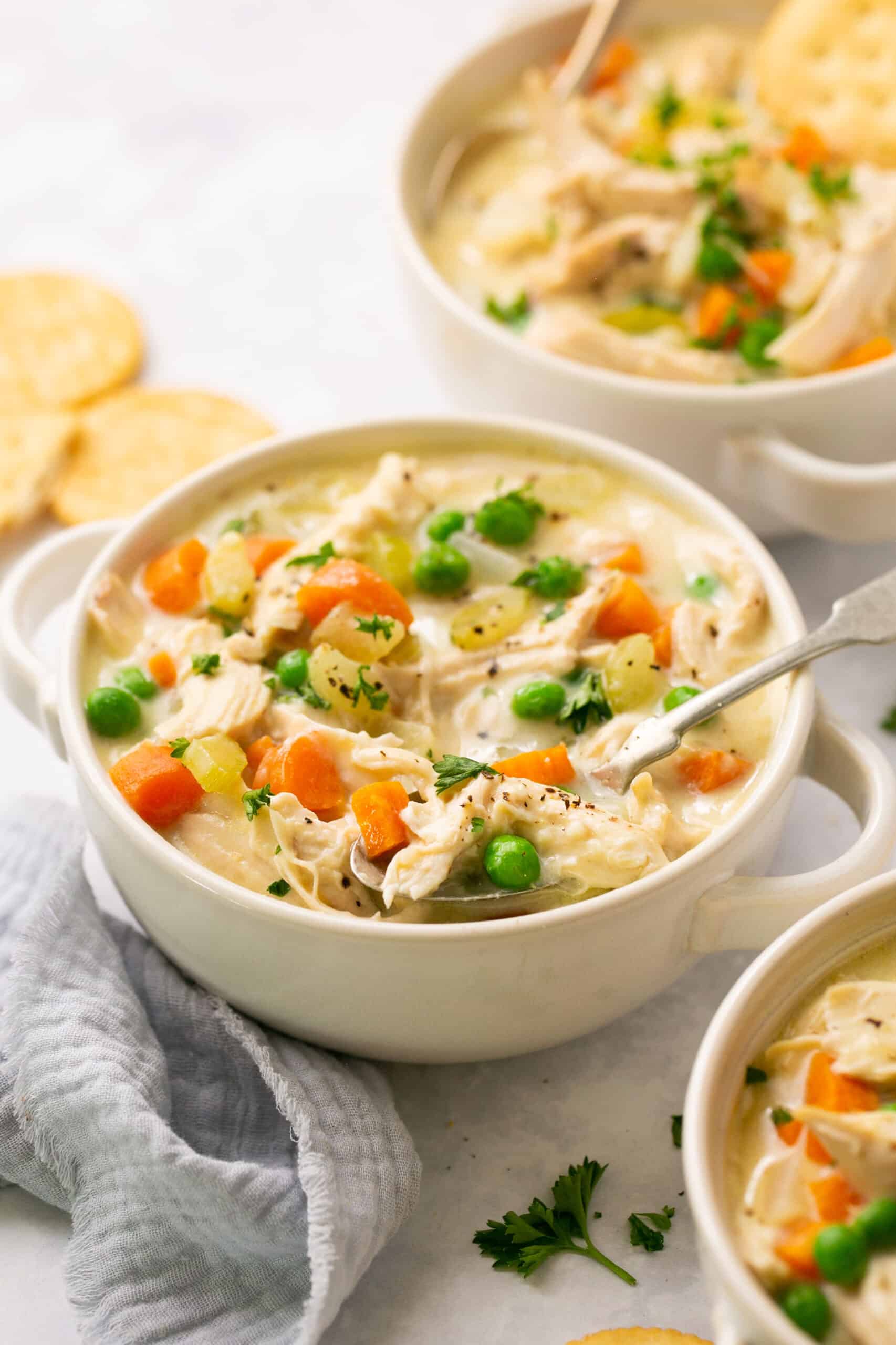
| Soups & Liquid-Based Meals | Chicken soup, vegetable soup, blended soups, soft stews | Moist meals can be easier to eat than dry foods | Cook ingredients until tender and add broth |
| Snacks | Applesauce, smoothies, yogurt, pudding, soft muffins | Convenient options between meals | Choose moist foods and avoid crunchy ingredients |
| Foods for People With No Teeth | Mashed foods, soft eggs, creamy soups, yogurt | Require less chewing effort | Blend, mash, or soften ingredients before serving |
| Dementia-Friendly Meal Options | Familiar meals, soft finger foods when appropriate, easy-to-handle snacks | Can support easier meal routines | Use familiar flavors and create a calm eating environment |
Note: Soft foods should always be selected according to each person’s individual needs, preferences, and healthcare guidance. Food texture requirements can vary, especially for individuals with swallowing difficulties.
Families who need additional help with daily routines, meal preparation, and personalized support can explore Confiable Home Healthcare’s senior home care services in Pittsburgh.
Best Soft Foods for Seniors
A balanced selection of soft foods can help create more variety in daily meals. Instead of relying on only one type of food, caregivers can combine different categories to create enjoyable meals.
Soft Protein Options
Protein foods can often be prepared in softer forms, including:
- Scrambled eggs
- Soft fish
- Shredded chicken
- Ground meats with sauce
- Tofu
- Yogurt
- Cottage cheese
Adding moisture through sauces, broth, or gravies can help make certain foods easier to eat.
Soft Fruits
Many fruits can be naturally soft or prepared into softer options.
Examples include:
- Bananas
- Applesauce
- Soft peaches
- Cooked pears
- Melon
- Fruit smoothies
Soft fruits can add variety and flavor to breakfast, snacks, and desserts.

Soft Vegetables
Vegetables can often become easier to eat when cooked properly.
Examples include:
- Mashed sweet potatoes
- Cooked carrots
- Squash
- Soft green beans
- Mashed potatoes
Steaming, boiling, or slow cooking vegetables can create a softer texture.
Soft Foods for Elderly People With No Teeth
Families often search for soft foods for people with no teeth because chewing can become challenging when someone has missing teeth or dental concerns.
Some commonly chosen options include:
- Creamy soups
- Mashed vegetables
- Soft pasta
- Yogurt
- Scrambled eggs
- Oatmeal
- Smooth foods
Caregivers can also make meals easier by cutting food into smaller pieces and adding moisture when appropriate.
Soft Foods for Dementia Patients
Many families look for the best foods for dementia patients to eat because dementia can sometimes affect eating routines and food preferences.
Some people with dementia may experience challenges such as:
- Forgetting mealtimes
- Losing interest in food
- Difficulty managing certain textures
- Changes in familiar eating habits
Soft foods may be considered when a person prefers easier-to-eat textures. Examples may include:
- Familiar homemade meals
- Soft fruits
- Smooth soups
- Soft breakfast foods
- Easy-to-handle foods when appropriate
However, no specific food can treat or reverse dementia. Meal choices should focus on comfort, personal preferences, safety, and guidance from healthcare professionals.
Families supporting a loved one with dementia may also benefit from professional assistance. Confiable Home Healthcare offers personalized care support that helps seniors maintain comfort and receive assistance with daily activities at home.
Soft Foods for Sore Throat
People often search for soft foods for sore throat because softer meals may feel more comfortable when the throat is irritated.
Common choices include:
- Warm soups
- Yogurt
- Oatmeal
- Applesauce
- Smooth foods
- Soft cooked meals
Everyone’s comfort level is different, so individuals should choose foods and temperatures that feel suitable for them.
Meal Preparation Tips for Caregivers
Preparing meals for seniors can become easier with a few practical strategies.
Choose Familiar Foods
Many older adults enjoy meals they recognize and have eaten throughout their lives.
Keep Meals Moist
Adding suitable sauces, broth, or moisture can change the texture of many dishes.
Prepare Smaller Portions
Smaller servings may feel more manageable for some individuals.
Create a Comfortable Mealtime Environment
A calm environment and enough time can make meals more enjoyable.
Families who need support with meal preparation, daily routines, and personal care can explore Confiable Home Healthcare’s elderly care assistance options.
How Confiable Home Healthcare Supports Seniors at Home
Managing meals and daily routines can become challenging for some older adults and their families. Professional caregivers can provide assistance that helps seniors remain comfortable in their own homes.
Support may include:
- Help with daily routines
- Companionship
- Personal care assistance
- Meal preparation support
- Safety-focused care
At Confiable Home Healthcare, care is personalized around each senior’s needs while helping families receive dependable support.
Frequently Asked Questions
What are soft foods?
Soft foods are foods with a tender texture that are easier to chew compared with hard or crunchy foods. Examples include oatmeal, yogurt, mashed foods, soups, and soft vegetables.
What are the best soft foods for seniors?
Popular soft food options for seniors include oatmeal, eggs, soups, soft fruits, cooked vegetables, yogurt, and tender proteins.
What foods can elderly people eat without teeth?
Older adults without teeth may prefer soft foods such as mashed vegetables, yogurt, soups, oatmeal, eggs, and other easy-to-chew meals.
Is a soft food diet healthy?
A soft food diet can include many different foods. The overall quality depends on ingredient choices and individual dietary needs.
What are easy soft food dinner ideas?
Some easy options include soups, soft pasta dishes, slow-cooked meals, casseroles, mashed vegetables, and tender proteins.
Are soft foods helpful for dementia patients?
Soft foods may be considered when a person prefers easier textures. Food choices should focus on personal needs, comfort, and healthcare guidance.
Conclusion
Choosing the right soft foods for seniors can make daily meals easier, more comfortable, and more enjoyable. From soft breakfast foods to simple dinner ideas, there are many ways to prepare meals that match different preferences and textures.
For families caring for older adults, food preparation is only one part of providing quality support. With professional assistance from Confiable Home Healthcare, seniors can receive compassionate care that supports their daily routines, comfort, and independence at home.