Skip to content

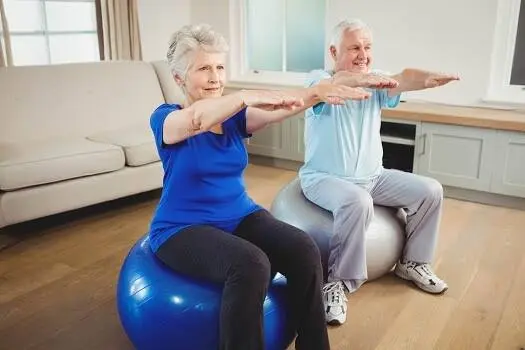
Aging brings many positive experiences, but also changes such as decreased strength, balance, flexibility and mobility. Because of these changes, many older adults decrease their activity. They’re often afraid of falling, experiencing pain and not being able to keep up with the typical workout routine.
With that said, being active doesn’t require joining a gym or heavy workouts. Easy exercises aiming to improve the balance, flexibility and strength of older adults can be done from the comfort of their home.
At Confiable Home Healthcare, we’ve seen that older adults have different needs. Some enjoy standing exercises, while others may need chair exercises, physical therapy movements or other types of exercises. Our purpose is to empower seniors to maintain their independence while they feel safe and comfortable in their homes.
Regular movement can support important daily activities such as:
- Walking safely around the house
- Getting up from a chair
- Climbing stairs
- Dressing independently
- Preparing meals
- Maintaining confidence during daily routines
A consistent routine of gentle movement can make a meaningful difference in overall quality of life.
Why Exercise Is Important for Seniors at Home
As people age, the body naturally experiences changes such as reduced muscle mass, slower balance reactions, and increased joint stiffness. Without regular movement, these changes may become more noticeable and can affect independence.
Safe senior exercises can help support:
Better Strength and Muscle Health
Muscle loss is common as people get older. Simple strength exercises help seniors maintain the muscles needed for everyday tasks.
Strong legs can make it easier to:
- Stand from a chair
- Walk longer distances
- Use stairs safely
- Maintain balance
Exercises such as sit-to-stand movements, leg raises, and light resistance exercises are excellent options for older adults.
Improved Balance and Fall Prevention
Falls are one of the biggest concerns for many seniors. Balance exercises help train the body to stay stable during movement.
Activities like:
- Heel-to-toe walking
- Side leg raises
- Standing balance exercises
- Supported movements near a chair
can help seniors improve coordination and confidence.
Increased Flexibility and Reduced Stiffness
Many seniors experience stiffness in their joints, especially after sitting for long periods.
Gentle stretching exercises can help:
- Improve range of motion
- Reduce muscle tightness
- Make daily movements easier
Small movements performed consistently are often more beneficial than occasional intense workouts.
Better Mood and Mental Wellbeing
Exercise is not only good for physical health. Movement can also support emotional wellbeing.
Gentle workouts may help seniors:
- Feel more energetic
- Reduce stress
- Improve sleep quality
- Maintain social connection
Even a short daily routine can create a positive habit.
How to Start an At-Home Exercise Routine for Seniors
Before beginning any new exercise routine, seniors should consider their current health condition, mobility level, and personal comfort.
The best approach is to start slowly.
1. Begin With Short Sessions
A senior does not need to exercise for an hour to see benefits.
A beginner routine can start with:
- 5 to 10 minutes daily
- Gentle stretching
- Simple movements
- Rest breaks when needed
Over time, activity can gradually increase.
2. Choose Exercises Based on Ability
Every senior is different.
Someone who walks independently may perform standing exercises, while someone with limited mobility may benefit from seated exercises.
Examples include:
Active Seniors
- Walking indoors
- Light strength exercises
- Balance training
- Stretching routines
Seniors With Limited Mobility
- Chair exercises
- Seated leg movements
- Arm exercises
- Gentle stretching
Seniors Over 80
Older adults over 80 can still benefit from exercise when movements are adapted to their ability and performed safely.
Suitable options include:
- Chair marches
- Seated arm raises
- Ankle circles
- Supported standing exercises
The goal is not intensity. The goal is safe movement and maintaining independence.
Safe Exercises for Elderly at Home
The following exercises are simple, low impact, and can be adapted for different ability levels.
1. Sit to Stand Exercise
Sit-to-stand is one of the best functional exercises for seniors because it copies an everyday movement.
It helps strengthen:
- Thigh muscles
- Hip muscles
- Core stability
How To Do It:
- Sit on a sturdy chair.
- Place both feet flat on the floor.
- Lean forward slightly.
- Slowly stand using your legs.
- Lower yourself back into the chair.
Repeat 8 to 12 times depending on comfort.
Benefits:
- Improves leg strength
- Makes standing easier
- Supports independence
2. Seated Leg Raises
Seated leg raises are excellent for seniors who need a gentle workout while sitting.
How To Do It:
- Sit upright in a stable chair.
- Extend one leg forward.
- Hold for a few seconds.
- Lower slowly.
- Repeat with the other leg.
Benefits:
- Strengthens thighs
- Supports knee movement
- Improves circulation
This exercise is especially helpful for seniors with limited mobility.
3. Chair Marching Exercise
Chair marching is one of the easiest free chair exercises for seniors.
How To Do It:
- Sit tall with your feet on the floor.
- Lift one knee upward.
- Lower it slowly.
- Alternate legs like walking.
Continue for 30 seconds to one minute.
Benefits:
- Improves leg movement
- Supports circulation
- Keeps joints active
Chair-based exercises are widely used because they provide stability while helping seniors build strength and mobility.
4. Wall Push-Ups for Upper Body Strength
Many seniors avoid strength exercises because they think they need heavy weights. However, simple bodyweight movements like wall push-ups can help improve upper body strength safely.
Wall push-ups are a great option because they put less pressure on the wrists, shoulders, and joints compared with traditional floor push ups.
How To Do Wall Push-Ups:
- Stand facing a wall.
- Place both hands on the wall at shoulder height.
- Keep your feet slightly away from the wall.
- Slowly bend your elbows and move your chest closer.
- Push back gently until your arms are straight.
Repeat 8 to 15 times.
Benefits:
- Strengthens arms and shoulders
- Supports better posture
- Helps with daily activities like pushing doors or carrying light items
Wall-based strength exercises are commonly recommended as a beginner friendly option for older adults because they can be adjusted according to ability level.
5. Heel Raises for Better Balance and Leg Strength
Strong ankles and lower legs are important for walking stability. Heel raises are a simple exercise that seniors can perform while holding onto a chair or countertop.
How To Do Heel Raises:
- Stand behind a sturdy chair.
- Hold the chair for support.
- Slowly lift your heels until you are standing on your toes.
- Hold for two seconds.
- Lower your heels slowly.
Repeat 10 to 15 times.
Benefits:
- Strengthens calf muscles
- Improves ankle stability
- Supports walking balance
This exercise is especially useful for seniors who want to improve stability while reducing fall risks.
6. Side Leg Raises for Hip Strength
Strong hips help seniors maintain balance and move safely during daily activities.
How To Do Side Leg Raises:
- Stand behind a chair.
- Keep your back straight.
- Slowly lift one leg sideways.
- Hold for a moment.
- Lower your leg.
- Repeat on the other side.
Perform 10 repetitions on each leg.
Benefits:
- Improves hip strength
- Supports better balance
- Helps with walking movement
7. Gentle Stretching Exercises for Seniors
Stretching is an important part of any senior fitness routine. It helps keep muscles flexible and reduces stiffness.
A gentle stretching routine may include:
Neck Stretch
Slowly turn your head from side to side.
Benefits:
- Relieves neck tension
- Improves mobility
Shoulder Stretch
Bring one arm across your chest and hold gently.
Benefits:
- Improves shoulder flexibility
- Supports upper body movement
Ankle Circles
Move your ankles in slow circles while sitting.
Benefits:
- Improves circulation
- Supports joint movement
Simple sitting exercises and stretches can help older adults maintain flexibility and movement while providing a stable and comfortable way to exercise.
Physical Therapy Exercises for Elderly at Home
Some seniors need more targeted exercises because of:
- Previous injuries
- Surgery recovery
- Balance problems
- Limited mobility
- Muscle weakness
Physical therapy exercises for elderly at home focus on improving functional movement rather than intense workouts.
A physical therapist may recommend exercises such as:
1. Bridge Exercise
Bridge exercises help strengthen the lower body and core muscles.
How To Perform:
- Lie on your back with knees bent.
- Keep feet flat on the floor.
- Slowly lift your hips upward.
- Hold for a few seconds.
- Lower gently.
Benefits:
- Strengthens hips
- Supports lower back
- Improves stability
2. Ankle Pumps
Ankle pumps are useful for seniors who sit for long periods.
How To Perform:
- Sit or lie comfortably.
- Move your toes upward.
- Point your toes downward.
- Repeat slowly.
Benefits:
- Supports circulation
- Keeps ankles flexible
- Helps maintain mobility
3. Standing March Exercise
Standing marches imitate walking movements while improving balance.
How To Perform:
- Stand near a chair or counter.
- Lift one knee slowly.
- Lower your foot.
- Repeat with the other leg.
Benefits:
- Improves coordination
- Strengthens legs
- Supports walking ability
Balance exercises are especially valuable for older adults because they help maintain stability during everyday movements.
Frequently Asked Questions (FAQs)
What are the best exercises for elderly people at home?
The best exercises for elderly people at home include gentle activities such as walking, chair exercises, stretching, balance exercises, leg raises, and light strength training. These workouts help improve mobility, flexibility, muscle strength, and overall independence while reducing the risk of falls.
How often should seniors exercise at home?
Most seniors should aim for some form of physical activity most days of the week. Even 15 to 30 minutes of gentle exercise can provide health benefits. The intensity and duration should be adjusted based on fitness level, health conditions, and comfort.
Are chair exercises safe for elderly people?
Yes, chair exercises are a safe option for many seniors, especially those with limited mobility or balance concerns. They allow older adults to strengthen muscles, improve circulation, and stay active while having extra support.
Can exercise help seniors maintain independence?
Regular exercise can help seniors maintain independence by improving strength, balance, coordination, and flexibility. Stronger muscles and better mobility make everyday activities like walking, climbing stairs, and household tasks easier to manage.
What are some low impact workouts for seniors at home?
Low impact workouts for seniors include gentle stretching, walking, seated exercises, yoga, tai chi, balance movements, and light resistance exercises. These activities support fitness without putting excessive stress on joints.
Do elderly people need exercise equipment at home?
Seniors do not always need special equipment to exercise at home. Many effective workouts can be done using a chair, wall support, resistance bands, or body weight. Simple equipment can be added later based on personal goals and ability.
Should seniors talk to a doctor before starting home exercises?
Yes, seniors with health conditions, recent injuries, or limited mobility should speak with a healthcare professional before starting a new exercise routine. A doctor or physical therapist can recommend safe activities based on individual needs.
How can caregivers help seniors stay active at home?
Caregivers can support seniors by creating a safe exercise space, encouraging regular movement, joining workouts, and helping them follow exercises correctly. Positive encouragement can make physical activity more enjoyable and consistent.
Conclusion
Staying active through safe and gentle exercises can help elderly adults improve their strength, balance, flexibility, and confidence while supporting a more independent lifestyle. Simple home workouts such as chair exercises, stretching, walking, and light strength training can make a meaningful difference without requiring expensive equipment or a gym membership.
Every senior has different abilities and needs, so exercises should always be comfortable, safe, and adjusted to individual health conditions. With regular movement and proper support, older adults can enjoy better mobility, improved daily function, and a healthier quality of life while staying active in the comfort of their own home.