
The infusion center gives you a folder, a list of phone numbers and a loved one who feels tired a bit foggy and very happy to be going. Then the door shuts behind you. The questions that the folder did not answer begin to appear. Usually around midnight.
The 72 hours after chemotherapy follow a clear pattern. Nausea. Reaches a peak. Fatigue settles like a weight. The immune system starts to drop.. The precautions that matter most are simple. But they are exact and some of them surprise families completely such as the rules, for handling laundry and vomit while chemotherapy drugs are still leaving the body.
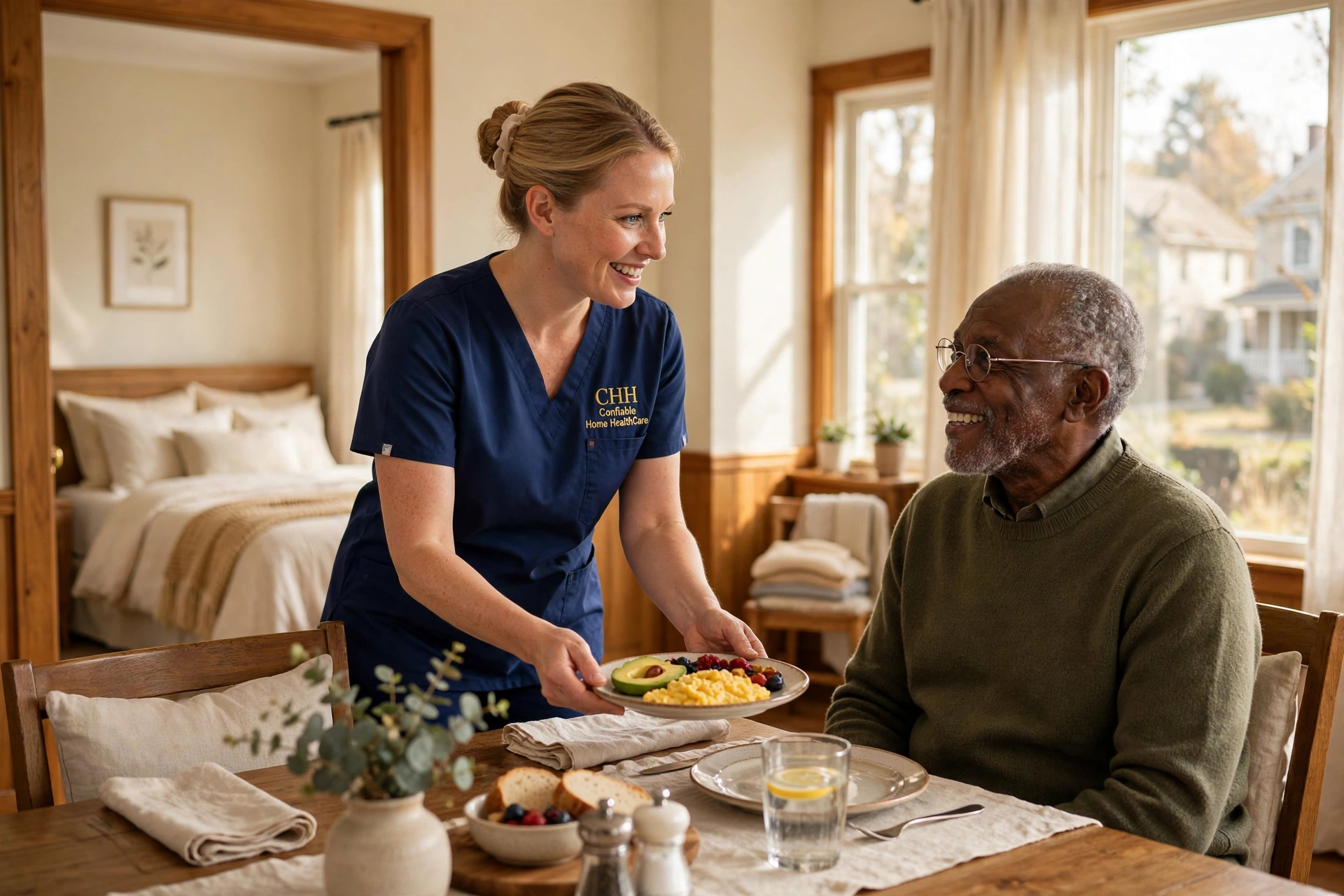
At Confiable Home HealthCare our caregivers and nurses help Pittsburgh families throughout treatment weeks on a basis. Here is the first 72 hours laid out honestly with the precautions that protect your loved one. And you.
First, the One Rule That Outranks Everything
A temperature of 100.4°F (38°C) or higher during chemotherapy recovery is an emergency. Call the oncology team away. No matter the time of day or night.
Chemotherapy lowers blood cell counts, which weakens the body’s ability to fight infection. Because of this a fever can be the sign of a serious infection. The body may not show the signs like redness, swelling or pus. There may be no warning all before the fever starts.
This condition is called febrile neutropenia. It is treated as a medical emergency. It needs evaluation and antibiotics. Do not take any -fever medicine and wait to see what happens. Do not wait until morning. Call the oncology team immediately.
Everything else, in this post is important.. This rule comes first.
The First 72 Hours at a Glance

Hours 0–24: Treatment Day and the First Evening
What to expect: Feeling sleepy because of the medicines given before treatment a metal or different taste in the mouth some stomach discomfort that usually starts a hours after treatment being sensitive to smells and feeling very tired. Some people feel quite good on the day because the medicines to stop nausea are still working. This is normal and will not last long.
Precautions for the 24 hours:
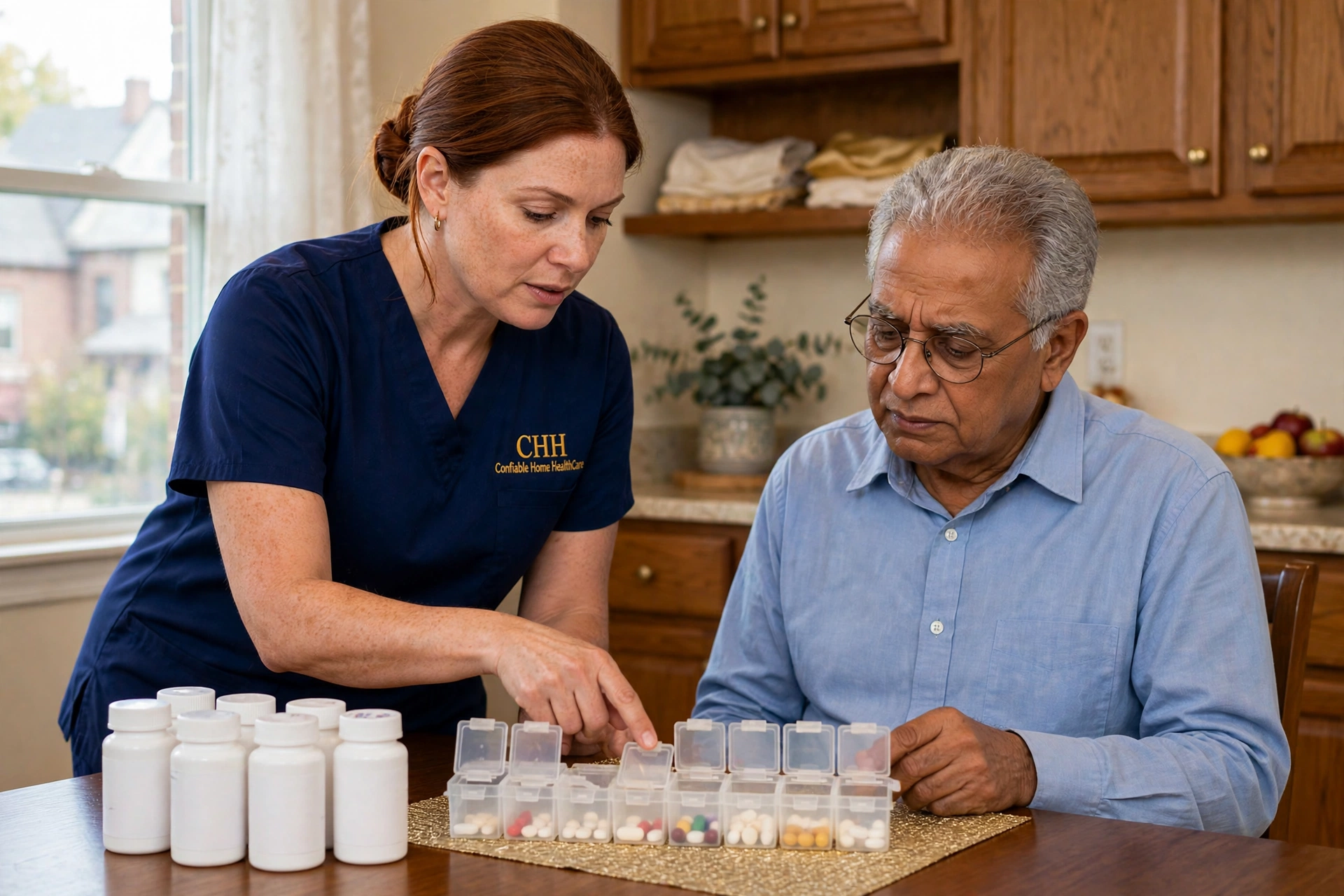
- Take the medicine to prevent nausea on time not when you feel sick. New medicines to stop nausea work by stopping the feeling of sickness before it starts. Once you begin to vomit it is hard for pills to stay in the stomach. Use alarms; this is the common mistake people make at home.
- Eat simple meals. Try bread, crackers, rice and bananas. Small amounts every few hours is better than three meals. Cold foods have smell than hot foods.
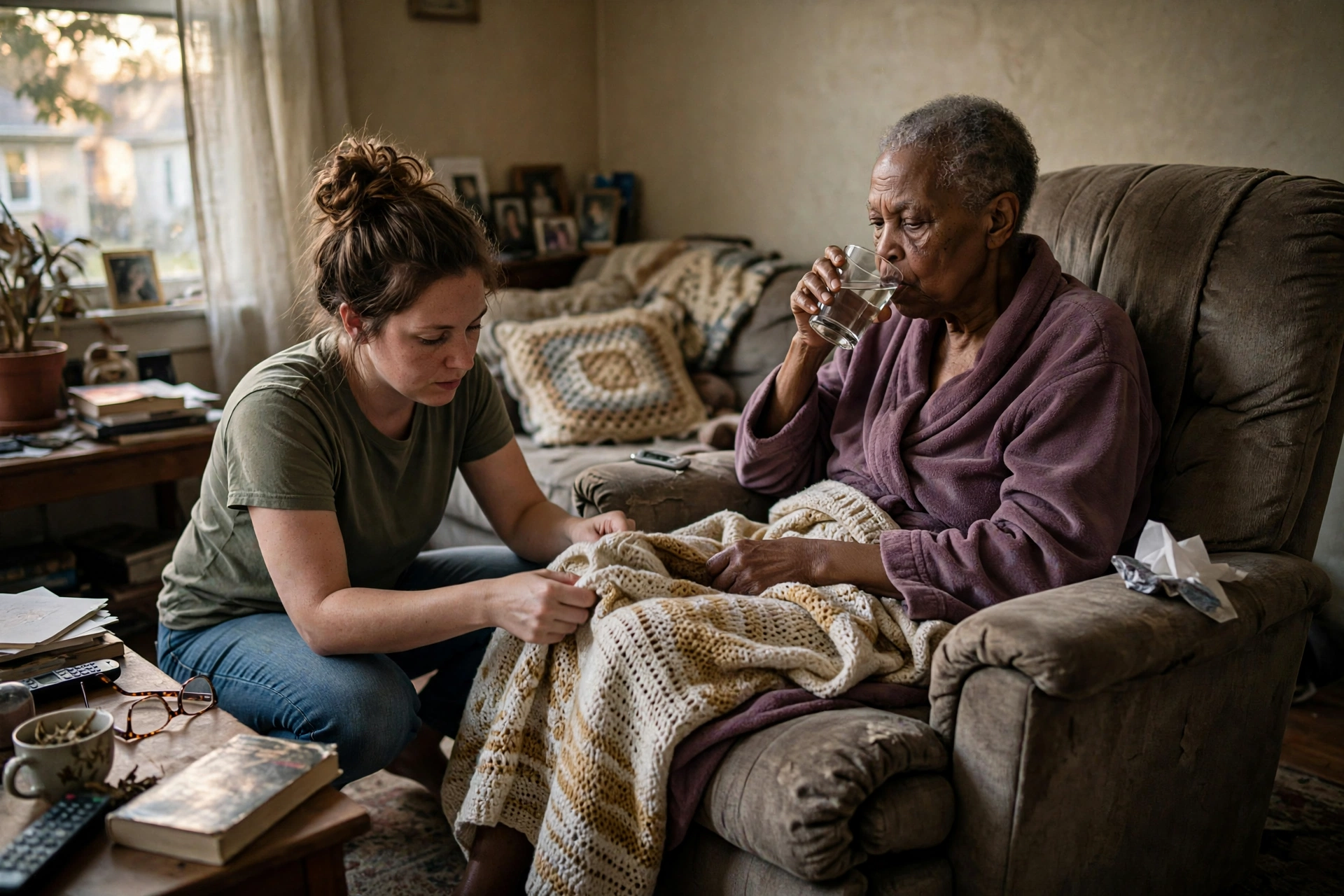
- Start to drink water. Take sips often throughout the day. Water, diluted juice, soup or drinks made to replace fluids. Not drinking enough is the reason people end up going to the clinic unexpectedly during this time.
- Rest is important today. No visitors except the closest people, no tasks, no “just one quick trip.”
- Prepare the place for the night: thermometer, list of medicines phone number for the cancer treatment team, water, medicine to stop nausea and a container. All in reach, before going to bed.
Hours 24–48: The Nausea Peak
What to expect: For treatment plans, nausea and tiredness are worst during this time. Taste changes get stronger hunger goes down. Constipation often starts. This can happen because of the -nausea medicine and some chemotherapy drugs. It gets worse when people eat and drink less.
Precautions for day two:
- Stick to the -nausea schedule even if they feel okay in the morning. Delayed nausea is common with drugs. If they stop the medicine soon day two can quickly become very hard.
- Check temperature every morning and evening.. Any time they feel cold, hot or just not right. Write it down each time.
- Start the constipation plan now not when it becomes a problem: drink plenty of fluids take walks around the house and use the stool softener or laxative that the oncology team approved. Straining must be avoided.
- Begin mouth care away. Use a toothbrush, gentle alcohol-free rinses and lip balm. The inside of the mouth heals quickly. Is sensitive. Sores that start now can make eating difficult all week.
- Avoid risky foods (see infection section below for details) and everyone, in the house must practice strict hand hygiene.
Hours 48–72: Settling, Watching, and Preparing for the Nadir
What to expect: Acute nausea often begins to ease near the end of day three for regimens. Fatigue often does not ease; it commonly grows stronger into the week. Taste remains altered and appetite stays low.
The context: White blood cell counts usually reach their lowest point. The nadir. Around days 7 to 14 after treatment depending on the regimen. That means the first 72 hours are not the highest infection‑risk window; they are the time to build habits that carry your loved one safely through it:
- Hand hygiene should become a household religion soap and water before meals after the bathroom after any contact with the outside world
- Visitors should be screened honestly: anyone with a flu, stomach bug or a recently ill child stays away kindly and firmly
- No fresh flowers or plants should be in the sickroom soil and standing water harbor bacteria and mold
- Pets can stay, with rules: no face‑licking, no litter box duty for the patient, handwashing, after handling
- Daily showering should be done if energy allows; clean clothes and bedding; the patients own towel never shared
The Precaution Families Never Expect: Safe Handling for 48–72 Hours
Chemotherapy drugs leave the body through urine, stool, vomit, sweat, and other fluids, mostly in the first 48 hours and up to about 7 days depending on the drug. During this window, caregivers need protection too:
- Wear disposable gloves when handling vomit, urine, stool, soiled laundry, or bedpans/urinals
- Toilets: the patient should sit to urinate where possible to reduce splashing; close the lid and flush twice during this period
- Laundry: soiled linens and clothing washed separately, in hot water, twice if heavily soiled; handle with gloves and do not shake them out
- Spills of vomit or urine: gloves on, clean with soap and water, wash hands thoroughly after
- Pregnant caregivers and children should not handle the patient’s bodily fluids or soiled laundry during this window
- Skin contact with any fluid: wash immediately with soap and water
Nobody at the infusion center wants to frighten families, so this sometimes gets one sentence in the folder. It deserves a section. It is simple, it is temporary, and it matters.

Infection Control at Home: The Daily Discipline
With a suppressed immune system, the home itself becomes the defense:
- Food safety is medicine: no raw or undercooked meat, eggs, or seafood; no unpasteurized dairy or juices; wash all produce thoroughly; refrigerate leftovers promptly and reheat them thoroughly; when in doubt, throw it out
- Hands: the patient’s, the caregiver’s, the grandchildren’s washed often, and always before eating or food preparation
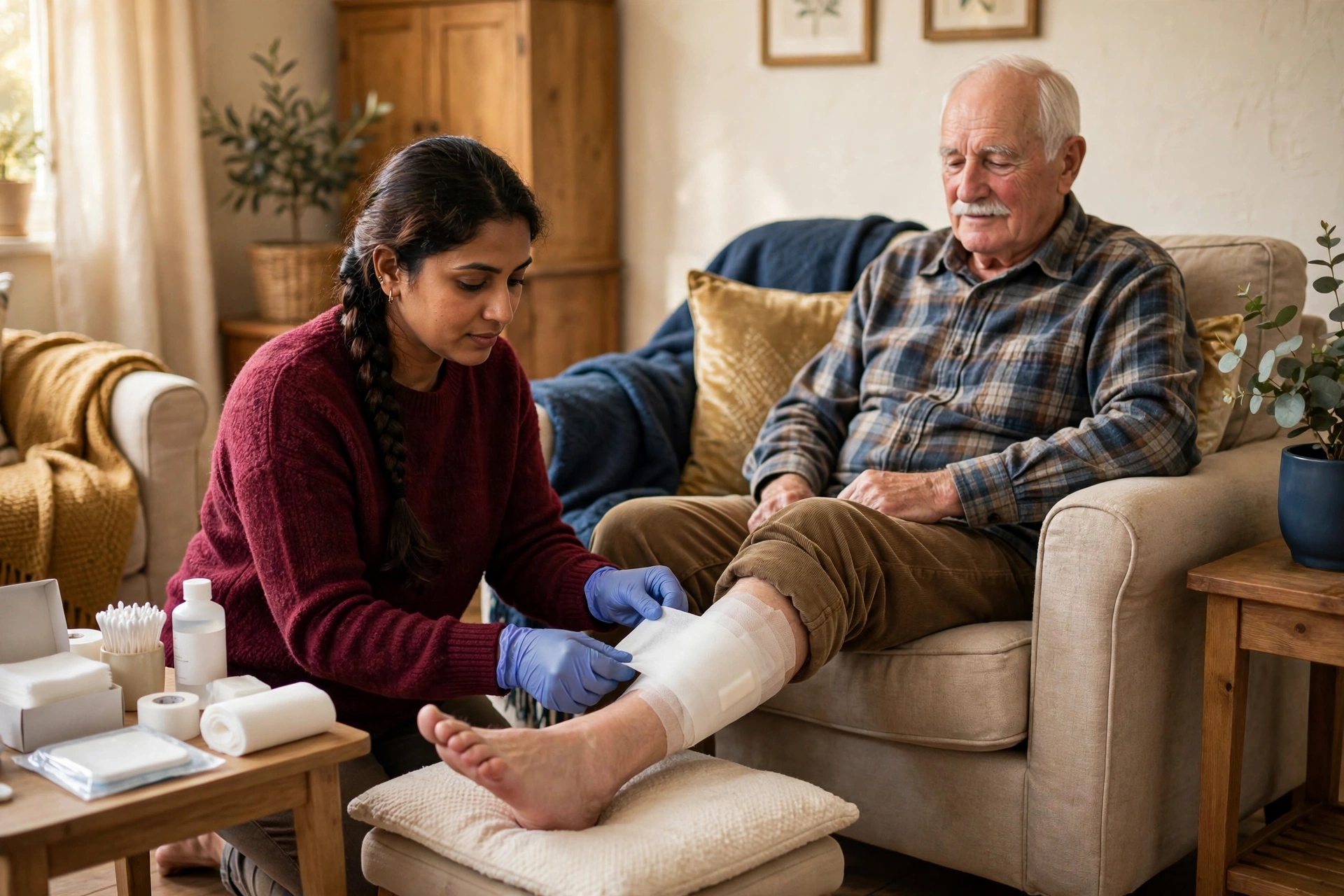
- Cuts and skin breaks are cleaned immediately and covered; even small breaks are entry points right now
- No rectal thermometers, suppositories, or enemas unless the oncology team directs them — rectal tissue tears easily and bleeds or infects readily during treatment
- Avoid crowds and enclosed public spaces during the low-count weeks; a caregiver doing the pharmacy and grocery runs is a genuine protective measure, not a luxury
- Dental work, manicures, and new piercings/tattoos: postponed until counts recover and the oncologist agrees
Home Care Precautions: Do and Do Not
What a Caregiver Actually Does in These 72 Hours
Families sometimes ask why anyone would need help for “just three days at home.” The honest list:
- Medication scheduling and administration anti-nausea drugs on time, around the clock if needed
- Temperature checks, symptom logging, and the judgment call on when to phone the oncologist
- Small, frequent, tolerable meals and constant hydration prompts
- Safe-handling routines for laundry, fluids, and cleaning the gloves-and-double-flush discipline above
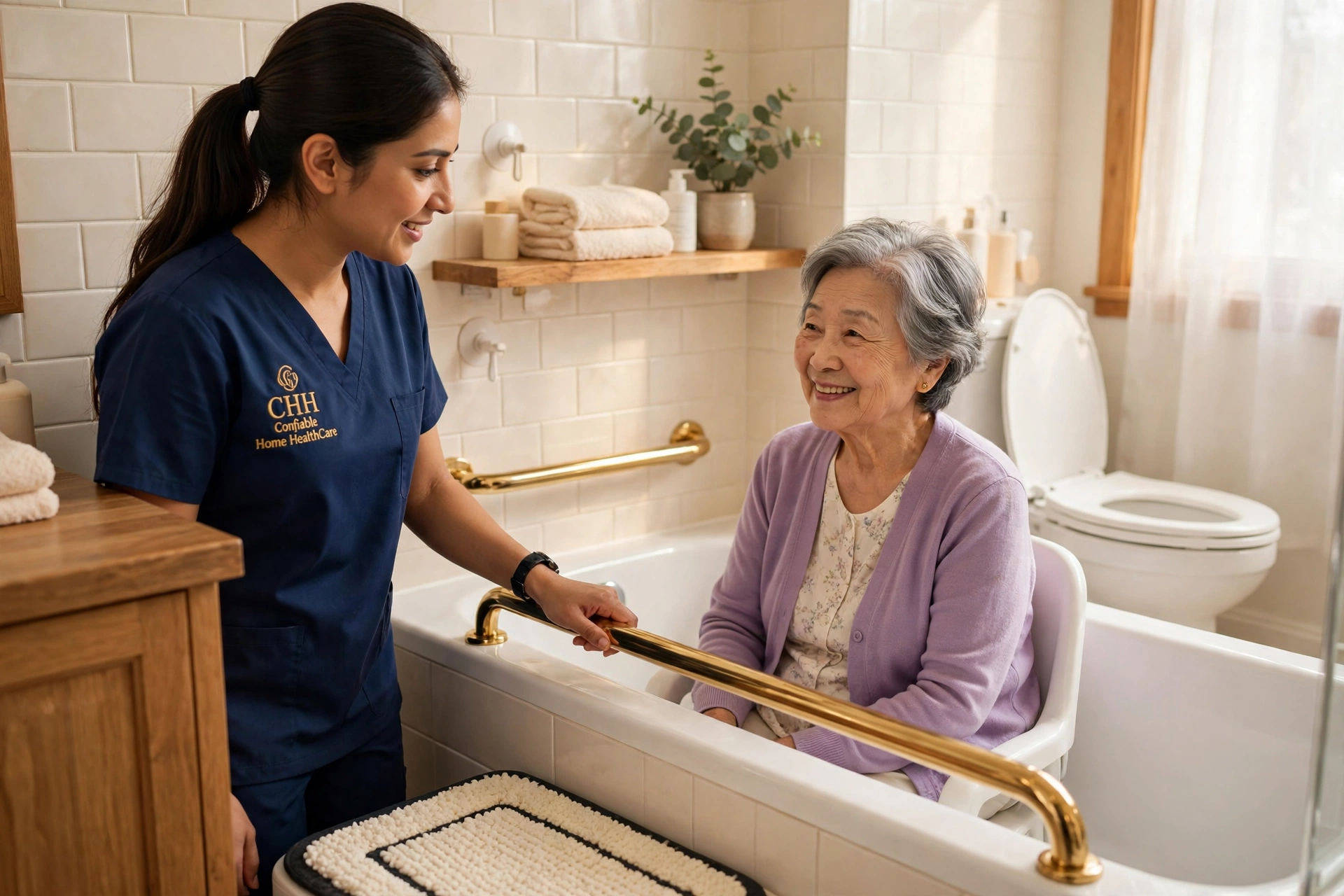
- Mouth care, hygiene support, and skin checks when fatigue makes the patient skip them
- Watching for the quiet emergencies: confusion, a racing heart, breathlessness, uncontrolled vomiting, inability to keep fluids down, no urination, bleeding that will not stop
This is precisely the work our personal care services in Pittsburgh and skilled nursing services in Pittsburgh divide between them during treatment weeks aides for the daily routine and supervision, nurses for medication oversight and clinical monitoring. For patients whose families work or live at a distance, companion care services in Pittsburgh fill the long daytime hours so the patient is never managing symptoms alone, and our medication management services in Pittsburgh keep a complex post-chemo medication schedule from depending on a exhausted family’s memory. Families rotating shifts should build in respite care in Pittsburgh before exhaustion, not after treatment is usually a marathon of cycles, not one hard week.
Call the Oncology Team Immediately If You See:
- Temperature of 100.4°F (38°C) or higher. Or shaking chills without a measured fever
- Vomiting that keeps you from keeping fluids or medicine down for than 24 hours
- Diarrhea that’s frequent, watery or has blood in it
- Signs of dehydration: very dark or no urine feeling dizzy when standing up dry mouth, fast heartbeat
- Unusual bleeding or bruising nosebleeds that won’t stop, blood in pee or poop
- Mouth sores so bad you can’t drink
- New confusion, extreme sleepiness, trouble breathing or chest pain. Call 911 right away for these
- Redness, swelling or pain, at the port or IV site
If you’re not sure call. Oncology teams would rather take ten calls than miss one that’s too late.
Frequently Asked Questions
Why is a fever of 100.4°F treated as an emergency after chemotherapy?
Because chemotherapy lowers the white blood cells that fight infection, an infection can become life-threatening quickly, and fever may be its only visible sign. The oncology standard worldwide is urgent assessment and prompt antibiotics. Never mask a fever with medication and wait.
When is the immune system at its weakest after chemotherapy?
Typically 7 to 14 days after treatment — the nadir — though the exact timing varies by regimen. The precautions in this post should be maintained through that window and until the oncology team confirms counts have recovered.
Can family members share a bathroom with the patient?
Yes, with the safe-handling rules for the first 48–72 hours: lid down, double flush, gloves for any cleanup, and careful handwashing. The patient should have their own towel and toiletries throughout treatment.
What should a patient eat in the first 72 hours?
Small, frequent, bland, and safe: toast, crackers, rice, oatmeal, bananas, broth, well-cooked eggs, and pasteurized dairy if tolerated. Avoid raw and undercooked foods entirely. Cold or room-temperature foods are often tolerated better than hot, strongly smelling ones.
Is it normal to feel worse on day three than on day one?
Very commonly, yes. Day one is carried by the infusion-center medications. Fatigue and nausea typically build over days two and three, and fatigue may continue deepening into the nadir week. A patient who feels worse on day three is following the pattern, not failing — but any fever, uncontrolled vomiting, or dehydration signs still mean an immediate call.
Can a home caregiver stay overnight during treatment weeks?
Yes. Overnight and around-the-clock support is common during chemotherapy cycles, especially for seniors living alone, patients with severe nausea, or families who cannot safely manage the night-time medication schedule and monitoring on their own.
Conclusion
The first 72 hours after chemotherapy are about rhythm, not heroics: medication before nausea, sips before thirst, temperature checks before worry, gloves and double flushes before laundry, and one rule above all — a fever of 100.4°F is a call, not a wait. Build those habits in the first three days and they will carry your loved one through the lower, riskier days that follow.
If your family is facing treatment weeks in Pittsburgh and wants support at home — for the first 72 hours or for the full cycle — contact Confiable Home HealthCare today. Call us at (412) 530-3192 and we will build a care plan around the treatment calendar, so no one manages chemotherapy recovery alone.
Confiable Home HealthCare: steady, skilled support through treatment, at home in Pittsburgh.