Skip to content

Help at Home Pittsburgh PA: A Complete Guide to Senior Care Options
As parents and loved ones grow older, many families begin searching for reliable help at home in Pittsburgh, PA. A senior may need occasional companionship, assistance with personal activities, support after a hospital stay, or continuous supervision for safety.
Finding the right type of care can help an older adult remain comfortable, independent, and connected to the community they know. It can also give family caregivers confidence that their loved one is receiving appropriate support.
Home-based services range from non-medical companion and personal care to skilled nursing and rehabilitation ordered by a healthcare provider. Understanding these options can make it easier to select the right level of support for your family.
What Does Help at Home Include?
Help at home refers to services delivered in a senior’s house, apartment, or family residence. The purpose is to support daily living, personal safety, recovery, independence, and overall quality of life.
Depending on the senior’s needs, services may include:
- Companion care
- Personal care
- Respite care
- Overnight supervision
- 24-hour home care
- Skilled nursing
- Wound care
- Physical therapy
- Occupational therapy
- Speech therapy
- Post-hospital support
Some older adults only need a few hours of assistance each week. Others may require daily visits, overnight supervision, or around-the-clock support.
A professional care assessment can help determine which services are appropriate based on the senior’s health, mobility, daily routine, home environment, and existing family support.
Non-Medical Senior Care Options in Pittsburgh
Non-medical home care helps seniors manage everyday activities while remaining in a familiar environment. These services are especially helpful for older adults who do not require continuous medical treatment but may struggle with household tasks, mobility, personal hygiene, or social isolation.
Companion Care
Companion care provides social interaction, emotional support, and assistance with light daily tasks. It can be valuable for seniors who live alone or have limited opportunities to engage with other people.
Companion care may include:
- Friendly conversation
- Recreational activities
- Meal preparation
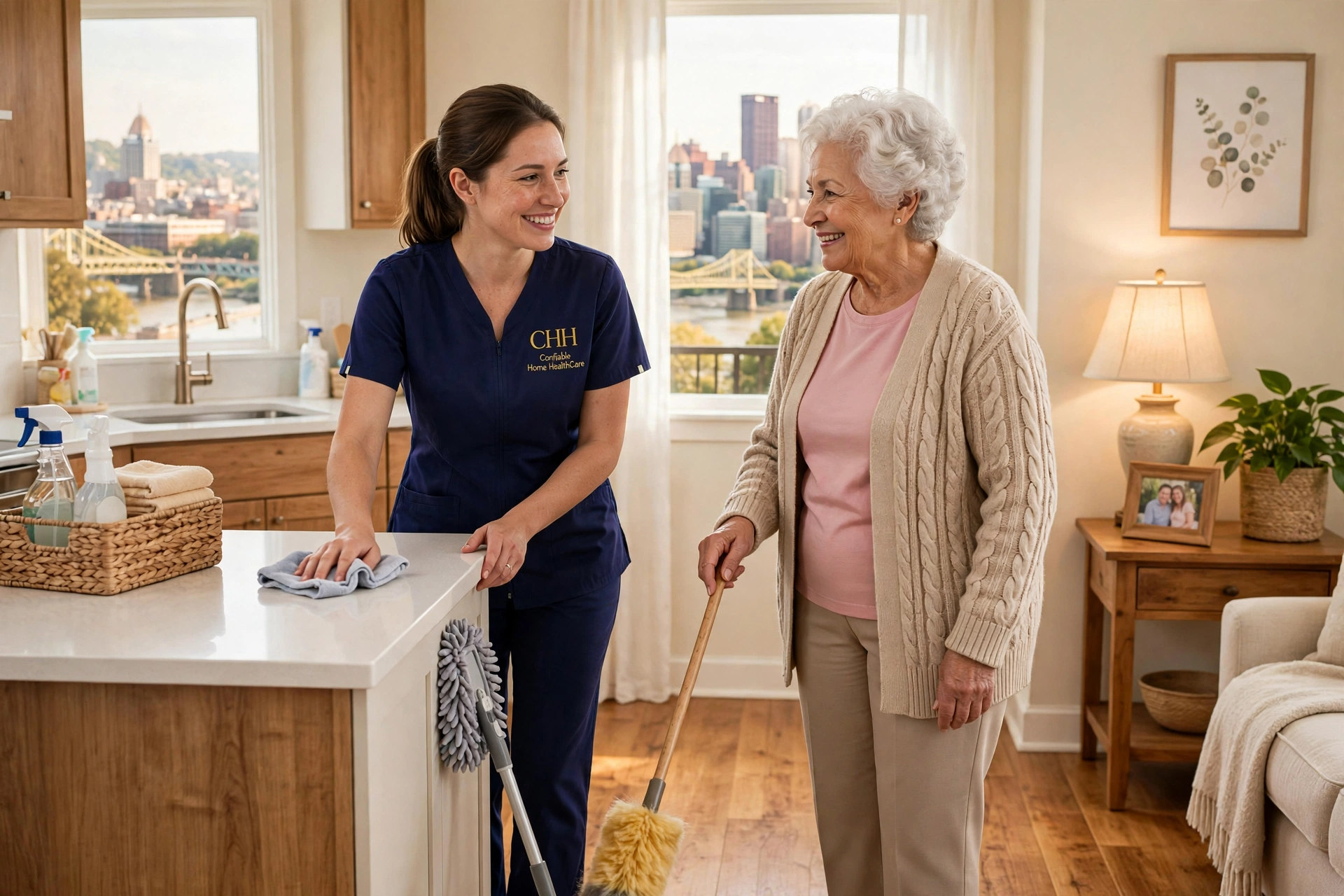
- Light housekeeping
- Transportation to appointments
- Grocery shopping and errands
- Medication reminders
- Accompaniment on walks or outings
Learn more about companion care services in Pittsburgh and how regular visits can help reduce loneliness while supporting a safer daily routine.
Personal Care
Personal care provides hands-on assistance with activities of daily living. It may be appropriate for seniors who have difficulty completing personal tasks because of limited mobility, weakness, illness, disability, or age-related changes.
Services may include help with:
- Bathing and showering
- Dressing
- Grooming
- Toileting
- Mobility and transfers
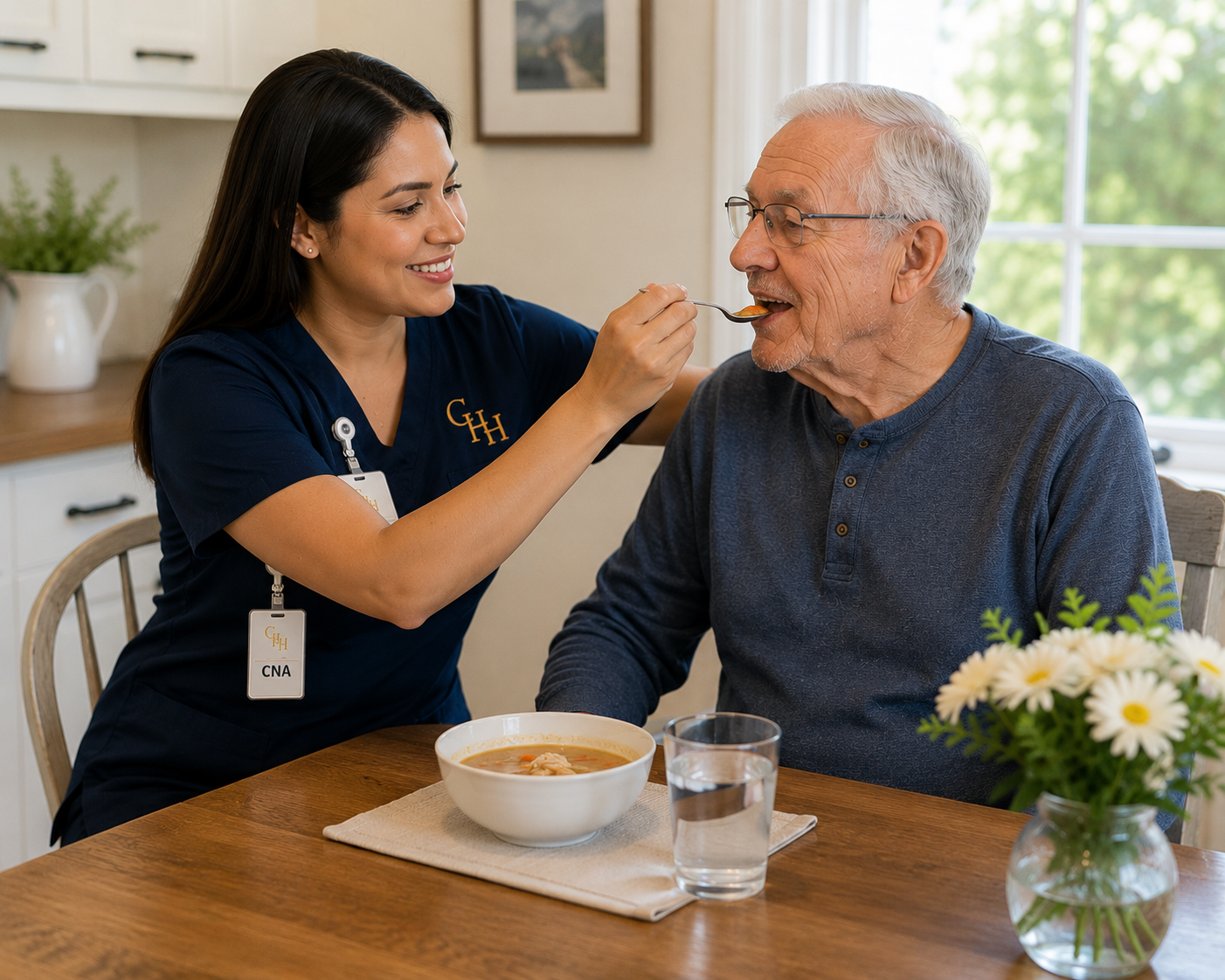
- Eating and meal support
- Incontinence care
- Morning and bedtime routines
Professional personal care in Pittsburgh, PA can help preserve dignity while allowing older adults to remain in their own homes.
Respite Care
Family members often provide a significant amount of unpaid care. Over time, balancing caregiving with work, children, appointments, and personal responsibilities can become physically and emotionally exhausting.
Respite care for family caregivers provides temporary support so the primary caregiver can rest, attend appointments, travel, work, or manage other obligations.
Respite care can be scheduled for:
- A few hours
- A full day
- Several days
- Evenings or weekends
- A temporary recovery period
Receiving support does not mean a family caregiver is giving up responsibility. It can help prevent burnout and make the overall care arrangement more sustainable.
Overnight Care
Nighttime can create additional safety concerns for seniors with mobility limitations, dementia, confusion, fall risks, or frequent toileting needs.
With overnight home care in Pittsburgh, a caregiver can remain in the home during nighttime hours to provide reassurance and assistance when needed.
Overnight support may include:
- Help getting in and out of bed
- Assistance with nighttime bathroom visits
- Fall prevention
- Repositioning and comfort support
- Monitoring for wandering or confusion
- Morning routine assistance
24-Hour Home Care
Seniors with advanced needs may require continuous assistance throughout the day and night. In these situations, caregivers can work in shifts to ensure someone is available at all times.
24-hour and live-in care options may be appropriate for individuals who:
- Cannot safely remain alone
- Need frequent mobility assistance
- Experience nighttime confusion or wandering
- Are recovering from a serious illness
- Have advanced chronic conditions
- Require ongoing supervision
The most suitable arrangement depends on how often the senior needs active assistance, including during nighttime hours.
Skilled Home Health Services
Home care and home health are connected, but they serve different needs.
Home care provides non-medical support, such as companionship, personal care, and help with daily activities. Home health provides medical care from licensed professionals, usually under a physician-approved care plan.
Skilled Nursing
Skilled nursing services at home may support seniors who are recovering from surgery, managing a medical condition, or transitioning home after hospitalization.
Services can include:
- Health assessments
- Medication management
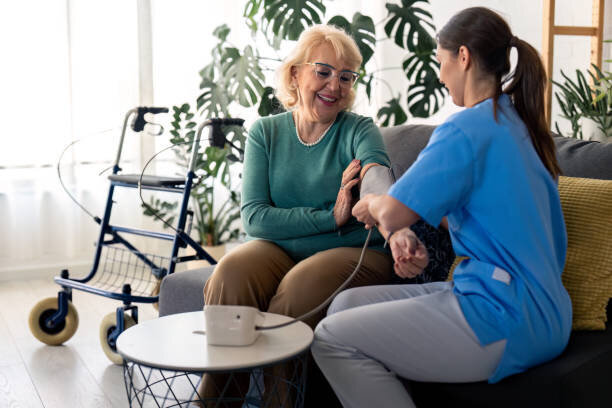
- Vital-sign monitoring
- Chronic condition support
- Injections
- Catheter care
- Patient and family education
- Coordination with physicians
Wound Care
Seniors with surgical wounds, pressure injuries, diabetic wounds, or other complex conditions may require professional monitoring and treatment.
Home-based wound care services can help support healing, reduce complications, and teach family members how to follow the care plan safely.
Physical Therapy
In-home physical therapy can help older adults rebuild strength, balance, coordination, and mobility following surgery, illness, injury, or hospitalization.
A physical therapist may also recommend exercises and home-safety modifications to reduce fall risks.
Occupational Therapy
Occupational therapy at home helps seniors perform everyday activities more safely and independently.
Therapy may focus on:
- Dressing and grooming
- Meal preparation
- Bathroom safety
- Energy conservation
- Using adaptive equipment
- Returning to familiar routines
Speech Therapy
Speech therapy services may help individuals experiencing challenges with communication, cognition, voice, or swallowing after a stroke, illness, injury, or neurological condition.
Home Care Compared With Other Senior Living Options
Families searching for senior care in Pittsburgh often compare home-based services with assisted living or nursing home care.
The best choice depends on the person’s medical needs, safety risks, finances, personal preferences, and available family support.
Home Care vs. Assisted Living
Home care allows seniors to receive personalized assistance without moving away from their community. Assisted living provides housing, meals, activities, and support in a shared residential setting.
Read the complete comparison of home care versus assisted living in Pittsburgh to understand the differences in environment, flexibility, supervision, and services.
Home Care vs. Nursing Home Care
Nursing homes generally provide a higher level of continuous medical supervision in a facility. Home care allows an older adult to remain at home, but the available level of care depends on the services arranged.
Our guide to home care versus nursing home care can help families evaluate which setting may be more suitable.
Signs an Older Adult May Need Help at Home
Changes in a senior’s abilities are not always sudden. Families may notice small problems that gradually become more frequent.
Possible warning signs include:
- Missed medications
- Unexplained weight loss
- Spoiled food or an empty refrigerator
- Difficulty bathing or dressing
- Increased falls or balance problems
- Poor household cleanliness
- Unpaid bills or unopened mail
- Social withdrawal
- Memory changes
- Confusion about appointments
- Difficulty driving
- Caregiver exhaustion
Review these signs that an aging parent may need help if you are unsure whether it is time to arrange additional support.
Families may also need to consider whether living alone remains safe. Learn more about when seniors should stop living alone and which alternatives may support greater safety.
How to Choose Help at Home in Pittsburgh, PA
Choosing a care provider is an important decision. Families should look beyond price and confirm that the agency can provide dependable, appropriate, and personalized support.
When evaluating a provider, ask about:
- Licensing and insurance
- Caregiver screening
- Background checks
- Training and supervision
- Care-plan development
- Scheduling flexibility
- Emergency procedures
- Communication with family members
- Service availability
- Experience with specific conditions
- How caregiver replacements are handled
It is also important to discuss the senior’s preferences. A care plan is more likely to succeed when the older adult feels included in the decision.
Use this guide on what to look for in a home care agency before selecting a provider.
Understanding the Cost of Home Care
The cost of in-home care in Pittsburgh varies depending on the type of service, the number of care hours, the senior’s needs, and whether medical services are required.
Factors that may affect the cost include:
- Hourly care requirements
- Daytime or nighttime scheduling
- Weekend or holiday support
- Personal care needs
- Transportation requirements
- 24-hour supervision
- Skilled nursing needs
- Therapy services
- Insurance eligibility
Families should request a clear explanation of rates, minimum visit requirements, care-plan fees, and cancellation policies.
Read the home care cost guide for more information about budgeting for senior support.
Supporting Aging in Place in Pittsburgh
Aging in place means remaining in a familiar home and community as needs change. For many seniors, this provides comfort, continuity, and a stronger sense of independence.
However, successful aging in place in Pittsburgh may require more than caregiver visits. Families may also need to consider:
- Grab bars and bathroom modifications
- Improved lighting
- Removal of trip hazards
- Mobility equipment
- Meal support
- Transportation assistance
- Medication organization
- Regular social contact
- Medical follow-up
- Emergency planning
The right combination of family involvement, professional home care, home health services, and safety modifications can help create a more sustainable care plan.
Contact Confiable Home Health & Home Care
Confiable Home Health & Home Care helps families explore personalized care options for older adults in Pittsburgh and surrounding communities.
Whether your loved one needs companionship, personal assistance, respite support, overnight supervision, skilled nursing, or rehabilitation services, our team can help you understand the available options.
To discuss help at home in Pittsburgh, PA, contact us today.
Phone: 412-530-3192
Email: ConfiableTeam@ConfiableHealth.com
Website: Confiable Home Health & Home Care
Frequently Asked Questions
What types of help at home are available in Pittsburgh, PA?
Available services may include companion care, personal care, respite care, overnight supervision, 24-hour care, skilled nursing, wound care, and in-home therapy. The appropriate service depends on the senior’s medical condition, daily activities, mobility, and safety needs.
What is the difference between home care and home health?
Home care usually provides non-medical assistance with companionship, personal activities, meals, transportation, and household routines. Home health provides clinical services from licensed professionals, often under a physician-approved care plan.
How do I know when my parent needs in-home care?
Warning signs can include missed medications, falls, poor hygiene, weight loss, memory changes, household neglect, social isolation, or difficulty completing normal daily activities.
Can home care help a senior avoid moving into assisted living?
Home care may help some seniors remain at home longer by providing assistance with daily activities and safety. However, the suitability of aging in place depends on the person’s health, home environment, supervision needs, and available support.
How many hours of senior care does my loved one need?
Some seniors only need several hours of support each week, while others require daily, overnight, or 24-hour assistance. A professional assessment can help determine an appropriate schedule.
Does Medicare pay for help at home?
Medicare may cover certain qualifying home health services when eligibility requirements are met. It generally does not cover ongoing non-medical custodial care. Coverage should be confirmed directly with the relevant insurer or benefits provider.