Skip to content


Knowing when an aging parent needs home care can be one of the most difficult decisions families face. Many seniors value their independence and want to remain in their homes as long as possible. However, there often comes a point when living completely independently becomes unsafe or overwhelming.
Recognizing the warning signs early can help prevent accidents, hospitalizations, and unnecessary stress for both seniors and their families.
At Confiable Home Health & Home Care, we help Pittsburgh families identify when additional support may be beneficial and provide personalized care solutions that allow seniors to remain safely at home.
Why Early Intervention Matters
Many families wait until a crisis occurs before seeking help.
Unfortunately, waiting too long can lead to:
- Falls
- Medication mistakes
- Hospitalizations
- Malnutrition
- Social isolation
- Caregiver burnout
Identifying concerns early often allows seniors to maintain their independence longer while improving overall quality of life.
Sign #1: Frequent Falls or Mobility Problems
Falls are one of the leading causes of injury among older adults.
Warning signs include:
- Unexplained bruises
- Difficulty getting up from chairs
- Trouble walking
- Holding onto furniture for balance
- Fear of falling
Home care can provide mobility assistance, supervision, and fall prevention support.
Learn more about Personal Care Services:
Personal Care Services in Pittsburgh
Sign #2: Difficulty Managing Personal Hygiene
Aging adults who once maintained excellent hygiene may begin neglecting:
- Bathing
- Grooming
- Oral care
- Hair care
- Dressing
This may indicate physical limitations, cognitive decline, depression, or safety concerns.
Professional caregivers can assist with personal care while preserving dignity and independence.
Learn more:
Personal care assistance for seniors
Sign #3: Missed Medications
Medication management becomes increasingly difficult as seniors age.
Warning signs include:
- Missed doses
- Confusion about medications
- Expired prescriptions
- Multiple pill bottles left untouched
Medication errors can result in serious health complications.
Home care can provide medication reminders and oversight.
Sign #4: Weight Loss or Poor Nutrition
Unexpected weight loss is often one of the first signs that a senior may need assistance.
Warning signs include:
- Empty refrigerator
- Spoiled food
- Missed meals
- Difficulty preparing meals
- Decreased appetite
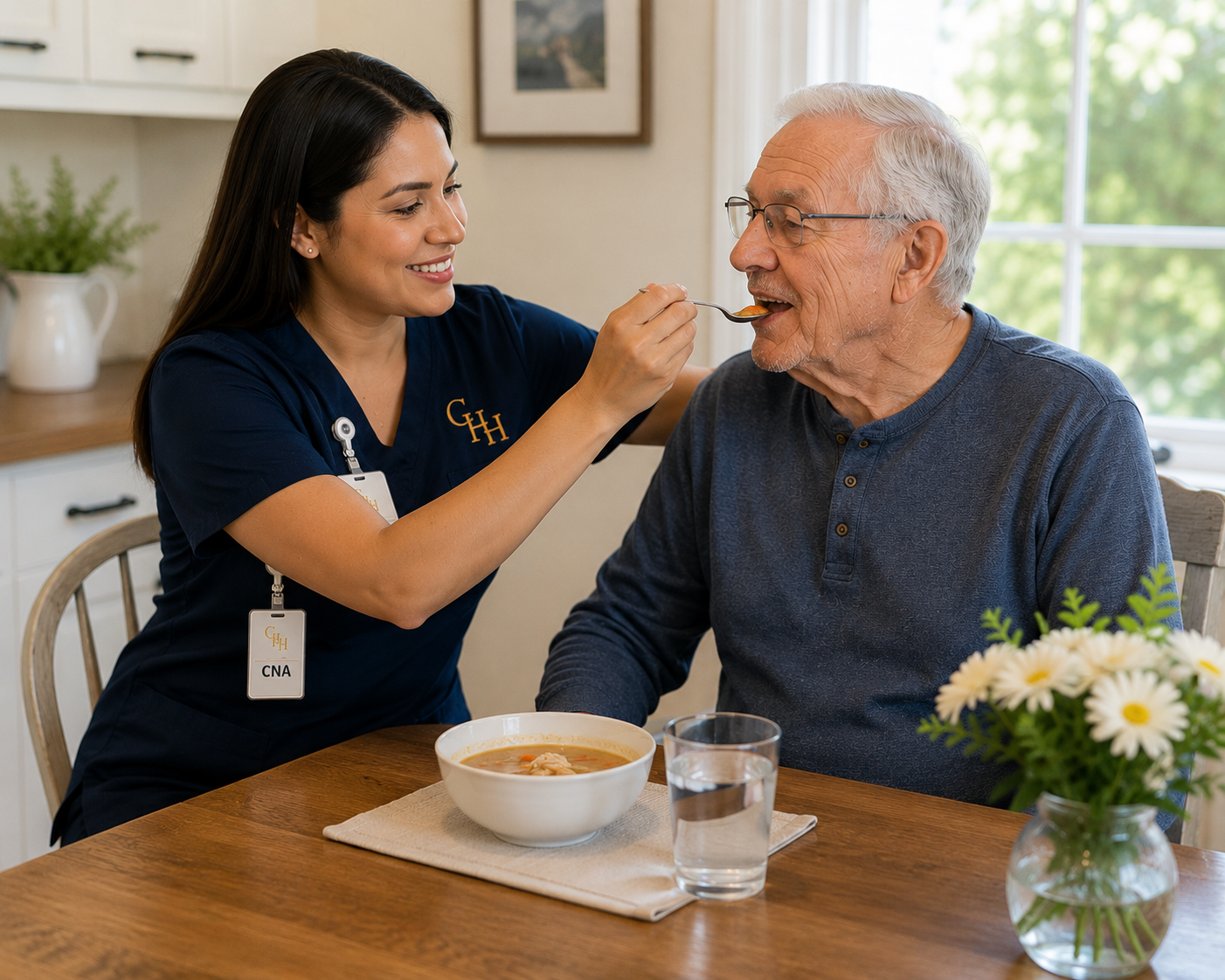
Companion caregivers can assist with meal preparation and encourage proper nutrition.
Learn more:
Companion Care Services
Sign #5: Increasing Memory Problems
Occasional forgetfulness is common with aging. However, persistent memory issues may indicate more serious concerns.
Warning signs include:
- Missing appointments
- Repeating questions
- Forgetting names
- Leaving appliances on
- Wandering
Families should take memory-related concerns seriously.
Learn more about Dementia and Alzheimer’s support:
24 Hour Home Care
Sign #6: Isolation and Loneliness
Many seniors become increasingly isolated due to:
- Limited mobility
- Loss of friends
- Transportation challenges
- Health conditions
Social isolation has been linked to:
- Depression
- Anxiety
- Cognitive decline
- Poor health outcomes
Companion care can help seniors remain socially engaged and connected.
Learn more:
Companion care for seniors
Sign #7: Difficulty Maintaining the Home
A once-clean and organized home may begin showing signs of neglect.
Examples include:
- Excessive clutter
- Unopened mail
- Dirty dishes
- Laundry accumulation
- Poor housekeeping
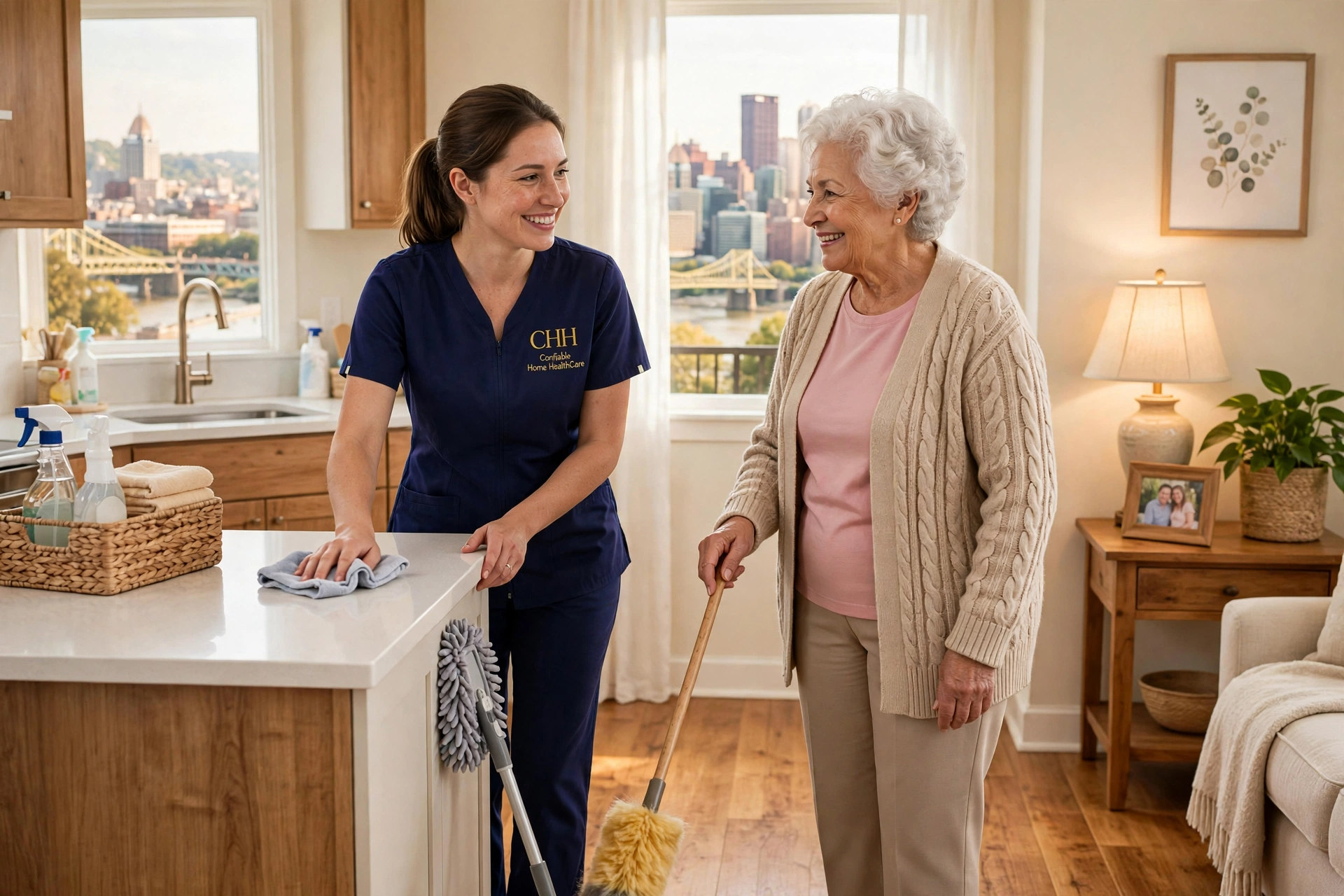
These changes often indicate that daily responsibilities have become overwhelming.
Sign #8: Frequent Hospitalizations or Emergency Room Visits
Repeated medical events often signal the need for additional support.
Home care and post-hospital services can help seniors recover safely while reducing the risk of readmission.
Learn more about Post-Hospital Care:
Post-Hospital Care Services
Sign #9: Family Caregiver Burnout
Many family caregivers attempt to manage everything on their own.
Warning signs include:
- Stress
- Exhaustion
- Anxiety
- Missed work
- Health issues
Respite care allows family caregivers to rest and recharge while ensuring their loved one receives professional support.
Learn more:
Respite Care Services
Sign #10: It Is No Longer Safe to Live Alone
Sometimes the most important question is whether a senior can safely remain home alone.
Warning signs include:
- Wandering
- Frequent falls
- Severe memory loss
- Medication errors
- Inability to call for help
Families should evaluate safety concerns carefully and seek professional guidance when necessary.
Read our article:
When seniors should stop living alone
Home Care vs Waiting for a Crisis
Many families delay seeking help because they believe their loved one is “not ready.”
The reality is that home care works best when introduced before a major crisis occurs.
Benefits of early home care include:
- Improved safety
- Better health outcomes
- Reduced caregiver stress
- Greater independence
- Improved quality of life
How Home Care Can Help
Home care services can be customized based on each senior’s needs.
Services may include:
- Companion Care
- Personal Care
- Respite Care
- Overnight Care
- 24-Hour Care
- Post-Hospital Care
Families can start with just a few hours per week and increase support as needs change.
Why Pittsburgh Families Choose Confiable
Confiable Home Health & Home Care helps seniors remain safe, independent, and comfortable in their own homes.
Our caregivers provide compassionate support while helping families navigate the challenges of aging.
We are committed to delivering personalized care plans tailored to each individual’s needs and goals.
Frequently Asked Questions
When should I consider home care for my parent?
If your parent is struggling with daily activities, experiencing falls, memory issues, or increasing isolation, it may be time to consider home care.
What is the difference between home care and home health?
Home care provides non-medical support, while home health provides skilled medical services ordered by a physician.
How many hours of care can my parent receive?
Services can range from a few hours per week to overnight care and 24-hour support.
Is home care better than assisted living?
Many seniors prefer home care because it allows them to remain in familiar surroundings while receiving personalized support.
Learn more:
Home Care vs. Assisted Living
Contact Confiable Home Health & Home Care
Phone: 412-530-3192
OR Visit Our Office Pittsburhg Care Services
Visit Confiable Home Health & Home Care
Helping Patients Recover. Supporting Families. Promoting Independence.